How the Government of Québec is supporting Indigenous leadership for biodiversity conservation
Québec, CanadaAcross the globe, Indigenous Peoples manage and steward a large portion of the world’s remaining biodiversity. Despite this, conservation policies often overlook Indigenous leadership, knowledge, and governance. In October 2024, the Government of Québec made Indigenous leadership a key component of its biodiversity strategy. Through its 2030 Nature Plan and associated 2024–2028 Action Plan, Québec committed to support Indigenous-led conservation initiatives as a foundational element of its approach to protect biodiversity.
Rather than treating participation as consultation alone, Québec’s approach recognizes Indigenous nations, communities, and organizations as leaders and partners in conservation, aligning action on the ground with an inclusive vision inspired by the Kunming-Montréal Global Biodiversity Framework (KMGBF).
Integrating Indigenous leadership in biodiversity policy
Québec’s 2030 Nature Plan includes 14 key targets aligned with the Global Biodiversity Framework. Among them, Target 13 focuses on supporting Indigenous leadership in biodiversity conservation, thus integrating communities in a wide range of conservation efforts. This commitment reflects a core principle: recognizing Indigenous Peoples’ contribution to biodiversity through their biocultural values, ancestral practices and knowledge systems.
With a holistic approach in which biodiversity and culture are inseparable, Indigenous communities play a central role in maintaining ecosystem integrity across Québec’s vast territory. The 2030 Nature Plan highlights this role and aims to strengthen Indigenous engagement and participation in a variety of conservation efforts and governance approaches. The Nature Plan’s Target 13 directly engages all 11 Indigenous nations in Québec, including 41 First Nations communities and 14 Inuit villages.
From commitment to concrete support
To out this commitment into action, the Government of Québec has allocated financial resources to Indigenous-led biodiversity initiatives. By 2028, more than CAD $30 million will have been granted under the Nature Plan’s Target 13.
Key initiatives include:
• Southern Québec communities benefited from a CAD $15 million grant to the First Nations of Québec and Labrador Sustainable Development Institute (FNQLSDI), creating the Indigenous Leadership Fund for Biodiversity Conservation. This agreement supports the FNQLSDI in its role for the mobilization of First Nations and to accompany Indigenous proponents in the Call for projects for Protected areas in southern public territories. The agreement also made it possible to create the Indigenous Leadership Fund for Biodiversity Conservation, managed in collaboration with the Government of Québec. The Fund’s first call for projects in fall 2025 supported 16 projects totaling CAD $7.2 million, reaching 7 First Nations, 12 communities, and 4 Indigenous organizations.
• A CAD $6 million grant to the Cree Nation Government established the Eeyou Ecofund, supporting Nature Plan implementation in the Eeyou Istchee James Bay region, with the first call for projects underway with Cree communities.
• An additional CAD $6 million grant to the Inuit Nation was finalized in the spring 2026.
Other significant government investments include:
• CAD $20 million to the Cree Nation of Mistissini for the construction of the main pavilion and for the operation of Parc national Nibiischii.
• CAD $230,000 to the Naskapi Nation for knowledge acquisition related to the conservation of the Cambrien and Nachicapau Lakes (Waskaikinis) area.
• CAD $200,000 to the Naskapi Nation for a pilot project informing the development of Northern Conservation Territories.
• CAD $620 000 over two years for the collaborative development of a guide on the creation, management and enhancement of Aboriginal-led Protected Areas.
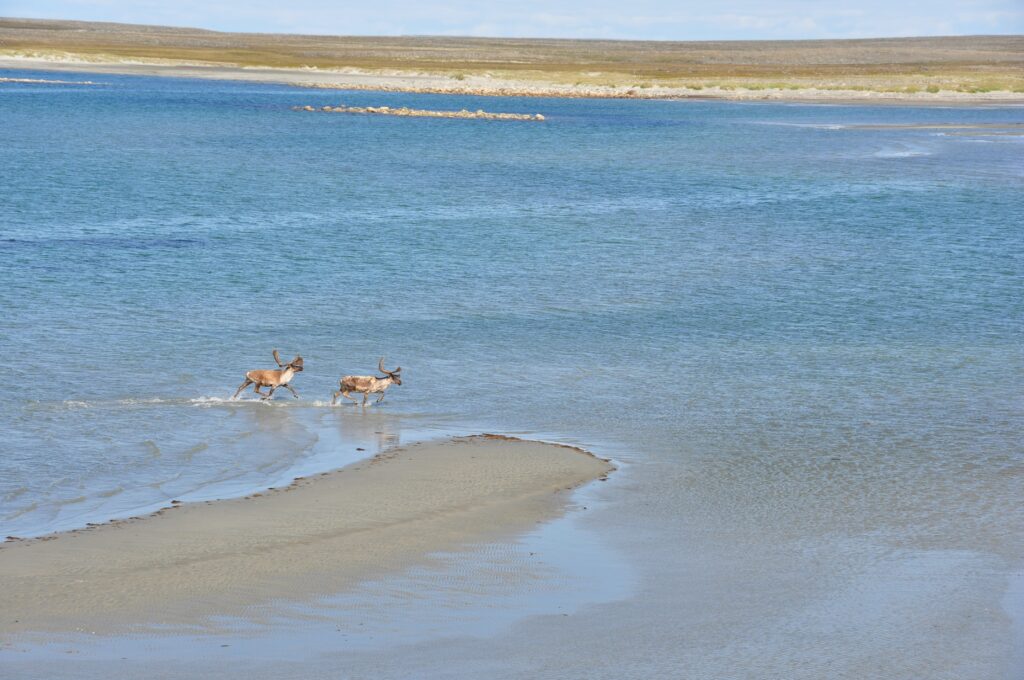
• CAD $160,000 to support dialogue on migratory caribou conservation with Indigenous communities.
• CAD $ 913 000 to support indigenous involvement in the management of existing protected areas, or to support works aiming to define conservation priorities or protected area projects.
Together, these investments represent a structural change from short-term project engagement towards long-term Indigenous-led conservation governance.
Knowledge, monitoring and shared stewardship
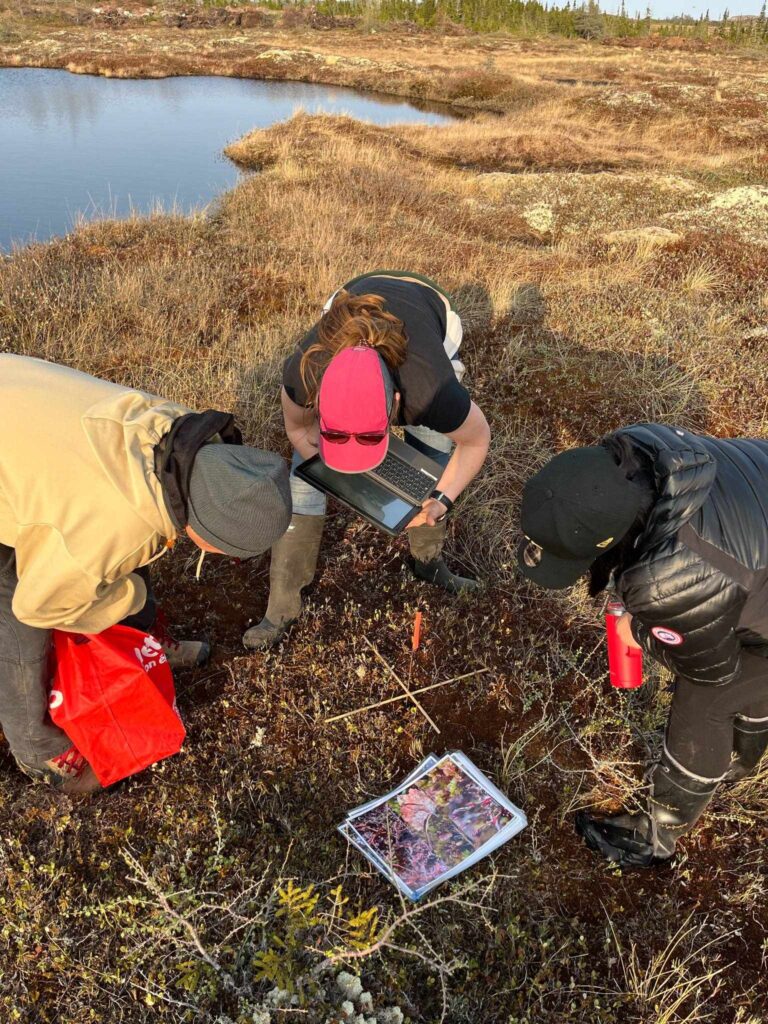
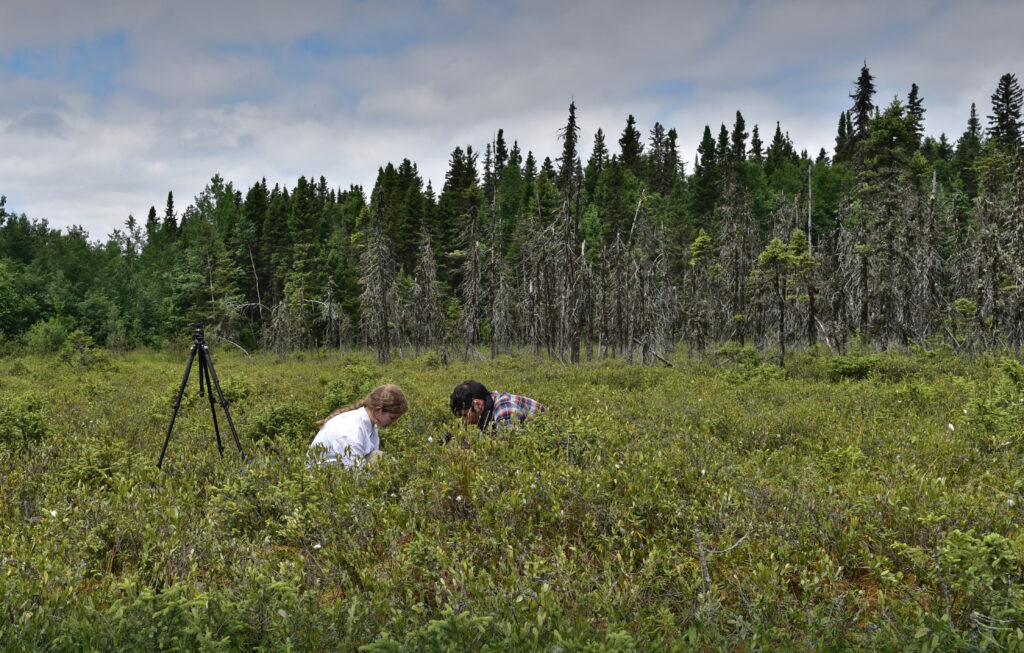
Support goes beyond financial transfers. Québec is also helping communities share knowledge and monitor ecosystems together, blending scientific data with Indigenous expertise.
Québec’s 2024–2028 Action Plan identifies preliminary biodiversity indicators aligned with KMGBF targets. As of July 2026, a more comprehensive indicator framework is reaching its final stages of development following consultations with ministries, academia and Indigenous communities.
Co-developing monitoring indicators with Indigenous partners ensures that conservation outcomes reflect both scientific data and Indigenous knowledge systems.
Consultations during the preparation of the 2030 Nature Plan also established long-term dialogue mechanisms, improving mutual understanding of multiple realities, cultural priorities, and governance expectations. This built trust as a foundation for effective implementation. This collaborative approach strengthens coherence between regional policy and community-based conservation.
Biodiversity and cultural resilience
The impacts of Indigenous-led conservation extend beyond ecological outcomes. By supporting Indigenous initiatives, Québec contributes to:
• Conserving and restoring ecologically and culturally significant areas.
• Sharing Indigenous knowledge systems and highligthing their importance for biodiversity.
• Strengthening local governance capacity.
• Fostering dialogue to identify high-benefit proposals for biodiversity and communities.
• Increasing equity in access to biodiversity funding.
Recognizing Indigenous leadership enhances biodiversity outcomes because conservation strategies are embedded within communities’ relationships to land and ecosystems. This reflects a broader lesson under the KMGBF: an inclusive approach is not only positive for communities, but it also improves effectiveness and multiplies biodiversity gains.
Why this matters for COP17
The Kunming-Montréal Global Biodiversity Framework places unprecedented emphasis on Indigenous rights, participation, and knowledge. Implementation will depend on translating these commitments into institutional and financial mechanisms.
Québec’s approach shows how subnational governments can operationalize Indigenous leadership within biodiversity strategies. By embedding Indigenous participation as a structural target, allocating dedicated funding, and strengthening collaborative monitoring, Québec moves beyond consultation towards shared stewardship.
As the global community prepares for COP17, Québec’s experience illustrates that achieving biodiversity targets requires inclusive governance across all levels, from local communities to international frameworks. Supporting Indigenous leadership is not peripheral to biodiversity conservation, it is central to its long-term success.
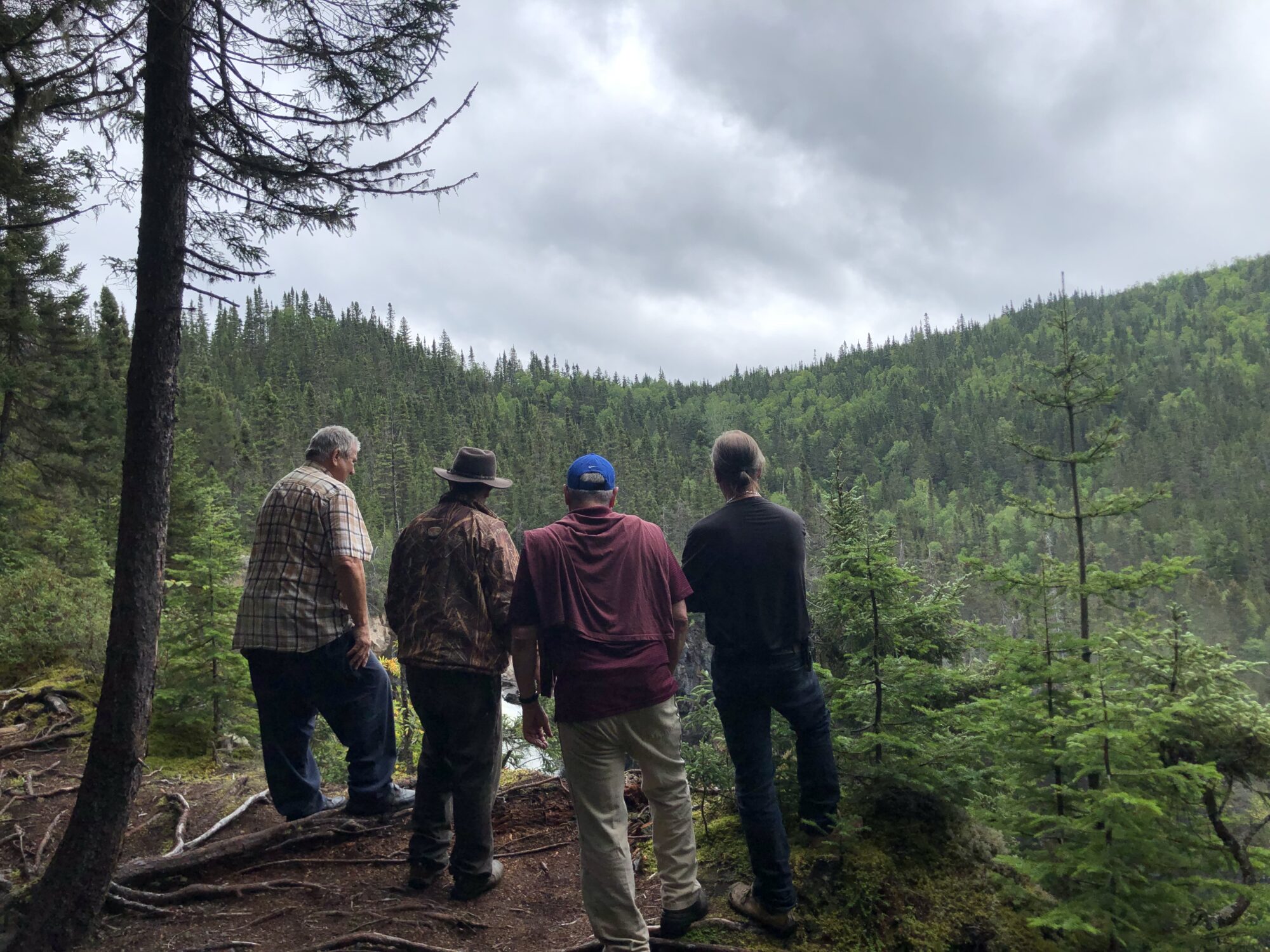
©Véronique Martel
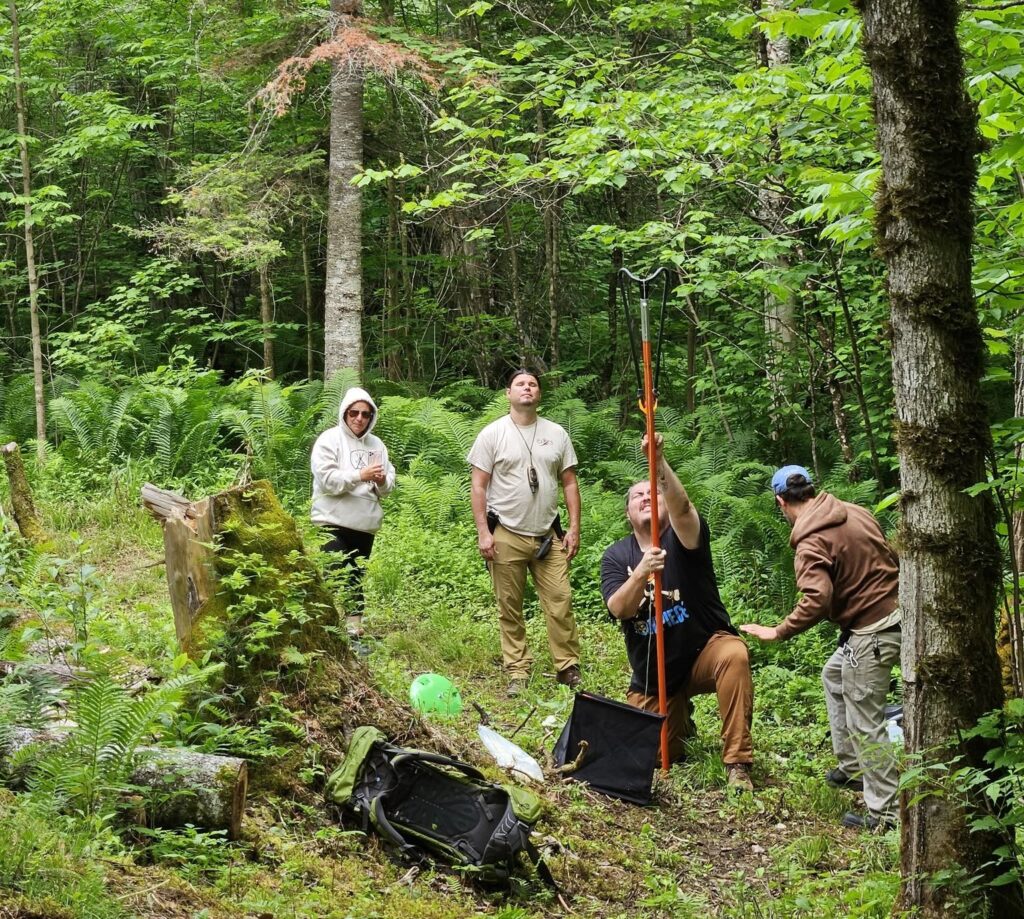
©IDDPNQL / FNQLSDI
©IDDPNQL / FNQLSDI
GBF targets addressed: 1, 2, 3, 4, 9, 20, 21, 22, 23.
Focus area: Indigenous leadership; Inclusive governance; Protected areas; Biocultural conservation; Capacity building.
Read more:
• The Indigenous Leadership Fund for Biodiversity Conservation, with the First Nations of Québec and Labrador’s Sustainable Development Institute
• The Eeyou Eco Fund, with the Cree Nation Government
• Protecting the Cambrien and Nachipau Lakes Areas
#RegionsVoice brings the voice of regional governments to major events and negotiation processes on sustainable development within the UN. The campaign brings visibility and wider recognition of the role of regional governments in sustainable development, by elevating both individual and collective messages and engaging with a wider audience during the UN Decade of Action.
More actions in this region
- 5 million CAD invested annually

Direct Health Assistance
Québec, Canada The government of Quebec provides direct health assistance to its population- Climate Monitoring

Ecological Connectivity and Climate Transition in Quebec
Québec, Quebec Ecological Connectivity and Climate Transition in Quebec As North America’s climate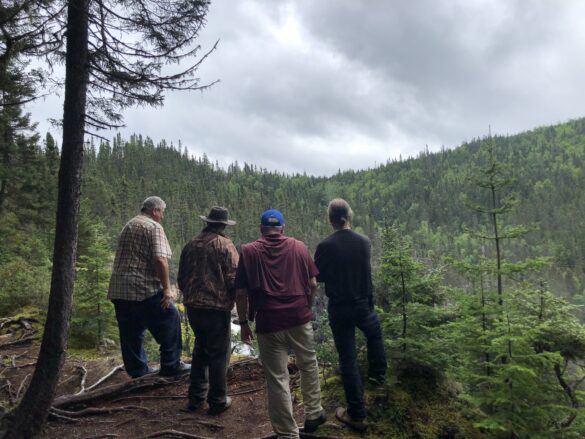
How the Government of Québec is supporting Indigenous leadership for biodiversity conservation
Québec, Canada The Government of Québec is supporting Indigenous-led initiatives as a foundational element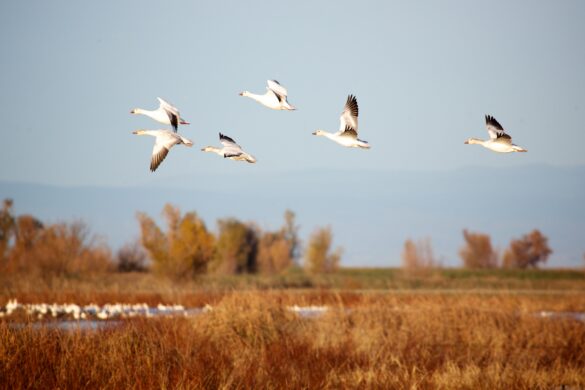
Multidisciplinary Hub of Expertise on the Sustainable Management of the Littoral Zone of Lake Saint-Pierre in Québec
Québec, Canada The United Nations General Assembly has declared the UN Decade on- A network of 450 researchers, experts, practitioners, and decision-makers

Planning and implementing Québec’s adaptation to future climate
Québec, Canada Relying on solid scientific knowledge to take into account the future- Climate Monitoring

Preparing for the future: How Québec’s Biodiversity Monitoring Network tackles environmental change
Québec, Canada Preparing for the future: How Québec’s Biodiversity Monitoring Network tackles environmental
Putting Communities at the Heart of Conservation in Québec
Québec, Quebec Québec's open call for conservation projects is centering people in decision-making,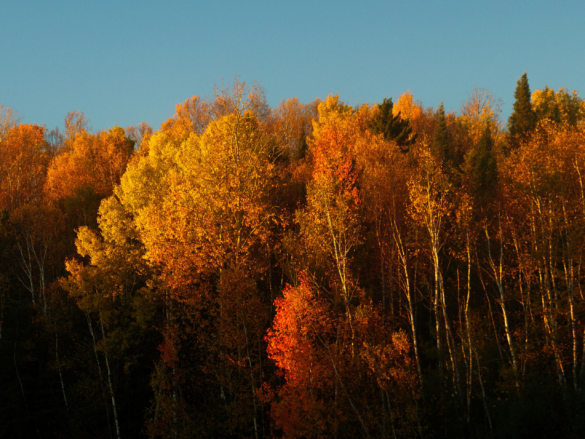
Québec Becomes the First Region to Support Global Biodiversity Fund with Historic Investment in Nature
Québec, Canada At COP16, the Government of Québec became the first subnational government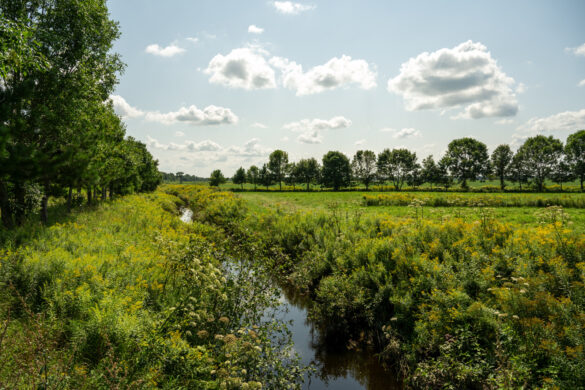
Québec Ecological Corridors: supporting resilience against climate change and biodiversity loss
Québec, Canada Through the Québec Ecological Corridors Initiative Québec province is using nature-based- 161,540 km2 of protected territory
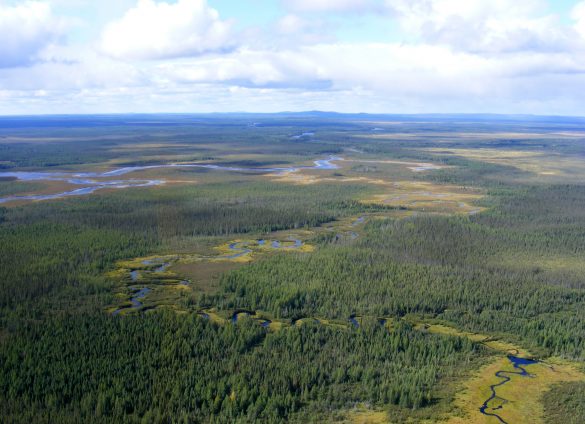
Quebec’s network of protected areas
Québec, Canada The network of protected areas of land and freshwater covers 10.65%- 5560 observations of IAS published
Sentinelle
Québec, Canada Online tool for detecting invasive alien species Quebec is Canada’s largest- Climate Monitoring