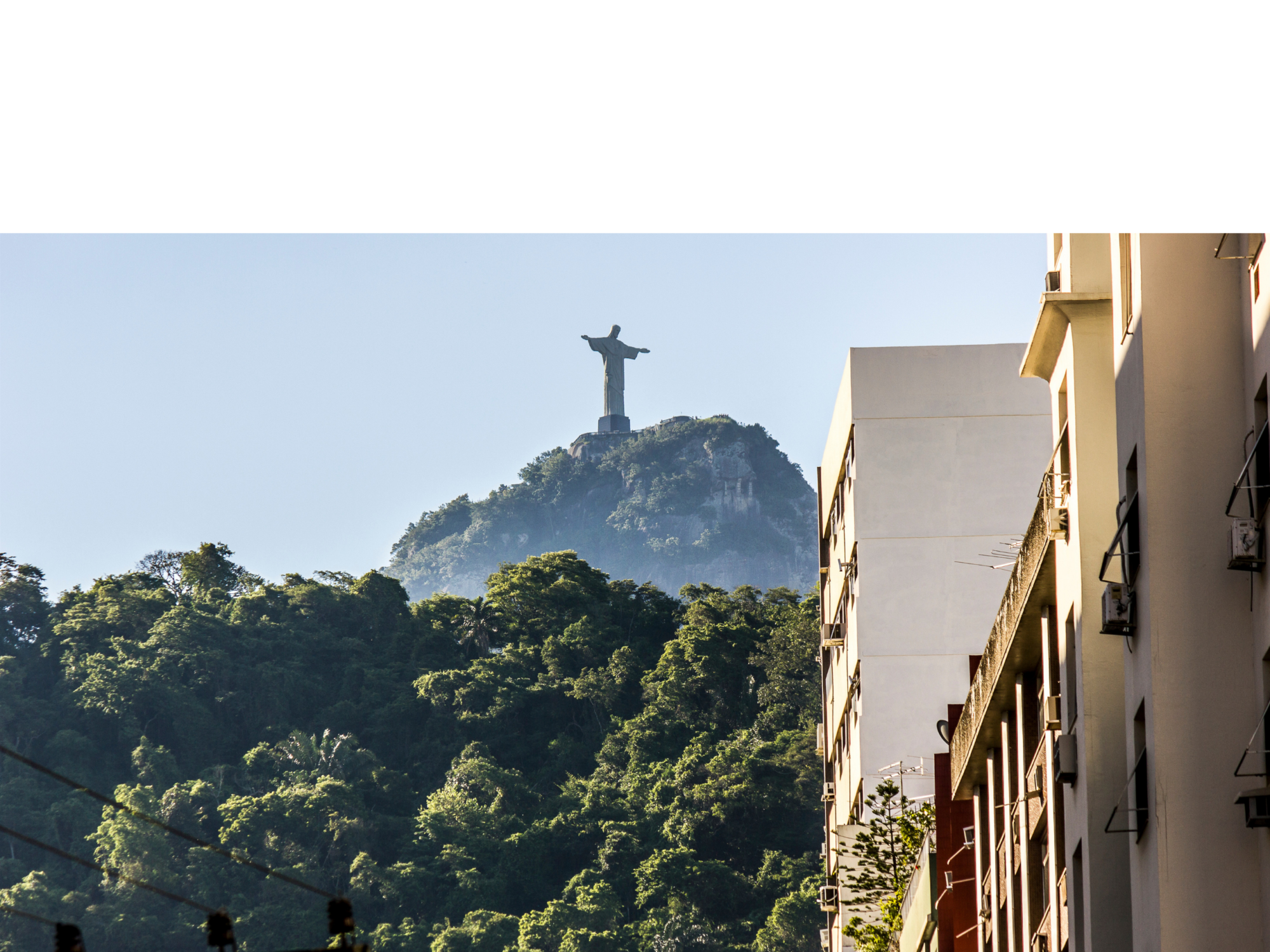
‘Olho no Verde’: Protecting the Atlantic Forest with satellite technology
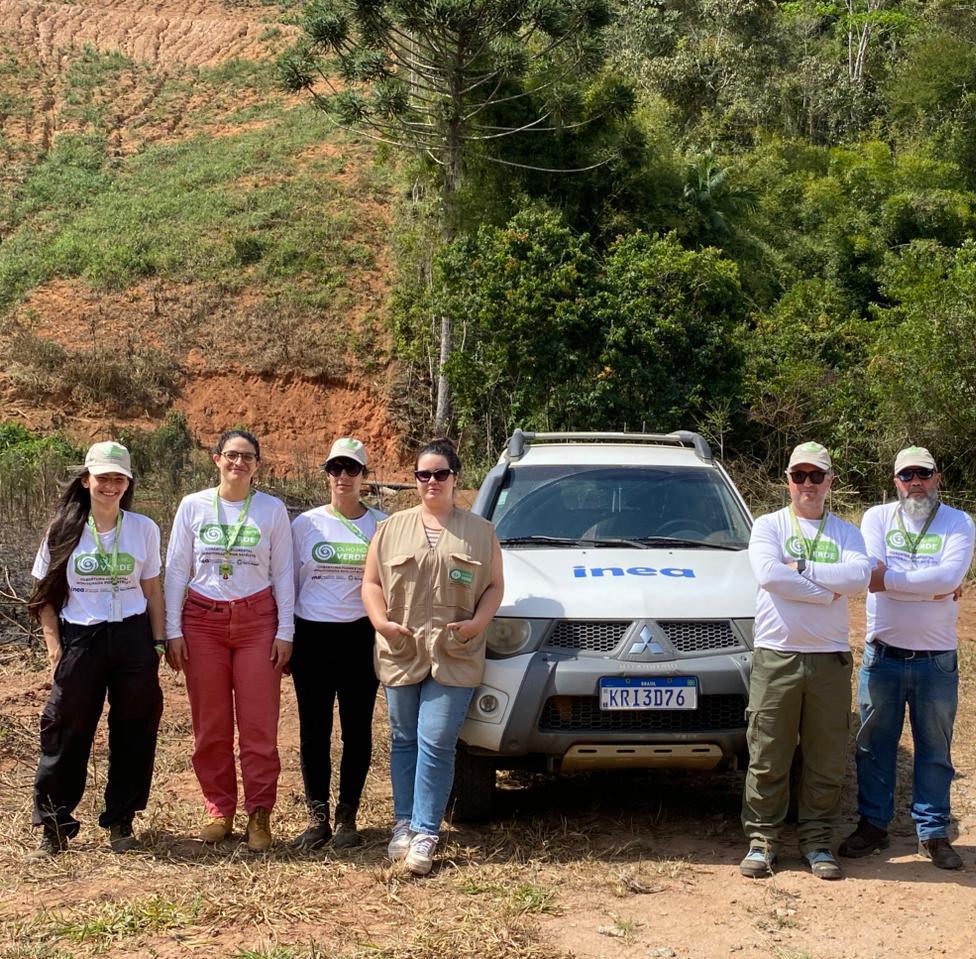
Rio de Janeiro, BrazilProtecting biodiversity requires not only planning and restoration, but also vigilance. Since 2016, the State of Rio de Janeiro has strengthened its environmental enforcement capacity through ‘Olho no Verde’, a satellite monitoring system designed to detect and combat illegal deforestation across the state’s Atlantic Forest. By combining geospatial intelligence, artificial intelligence and rapid enforcement response, the initiative combats illegal deforestation, ensuring environmental violations are identified early and addressed effectively.
Operating across all 92 Rio de Janeiro’s municipalities, the system continuously monitors approximately 1.4 million hectares of remaining Atlantic Forest, one of the world’s most threatened biodiversity hotspots. By preventing illegal suppression of native vegetation with the use of satellite intelligence, the initiative safeguards ecological corridors, protects water sources, and reduces pressure on sensitive ecosystems. These actions contribute directly to halting biodiversity loss, maintaining ecosystem services, reducing environmental degradation, and strengthening climate resilience.
Measurable results for biodiversity protection
Since its launch, ‘Olho no Verde’ has generated more than 6,500 deforestation alerts.
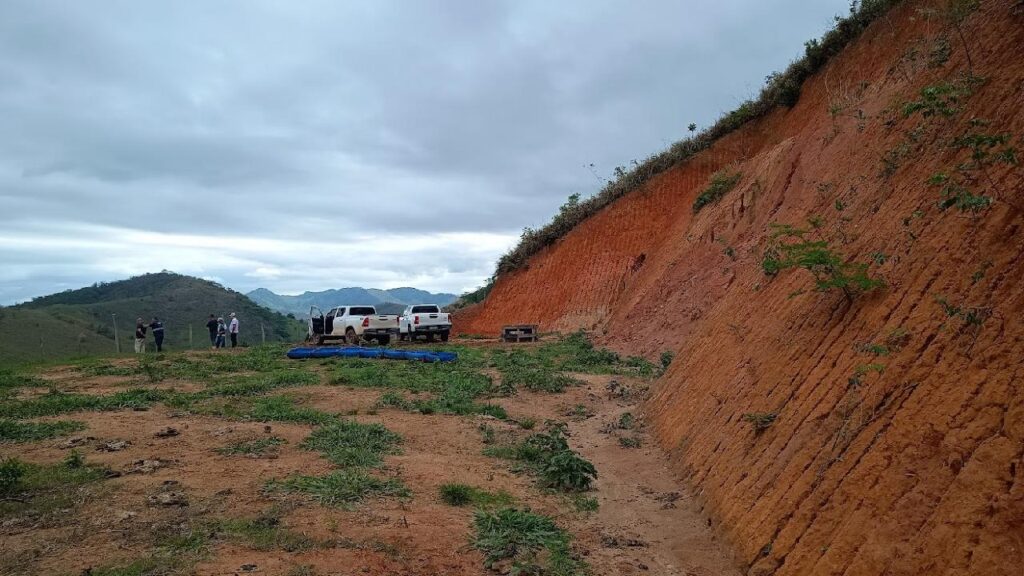
The system detects vegetation suppression starting at a minimum of 100 m², allowing early intervention before localized disturbances escalate into broader degradation processes. Validated alerts have supported field inspections, equipment seizures, embargoes, administrative sanctions and arrests in cases of flagrante environmental crime.
The initiative maintains an integrated dashboard that records alerts, inspections and enforcement outcomes. Its spatial database consolidates historical information on deforestation cases, embargoed areas and inspection results, allowing the State to track trends, measure effectiveness, and ensure that each alert receives appropriate follow-up.
This structured monitoring framework reinforces transparency, supports evidence-based policymaking, and ensures that biodiversity data is accessible to guide action.
Lessons learned
Experience has shown that technology alone is not sufficient. The effectiveness of ‘Olho no Verde’ lies in the integration of three elements:
• Continuous satellite monitoring
• Automated and reliable data processing
• Rapid operational coordination with enforcement agencies
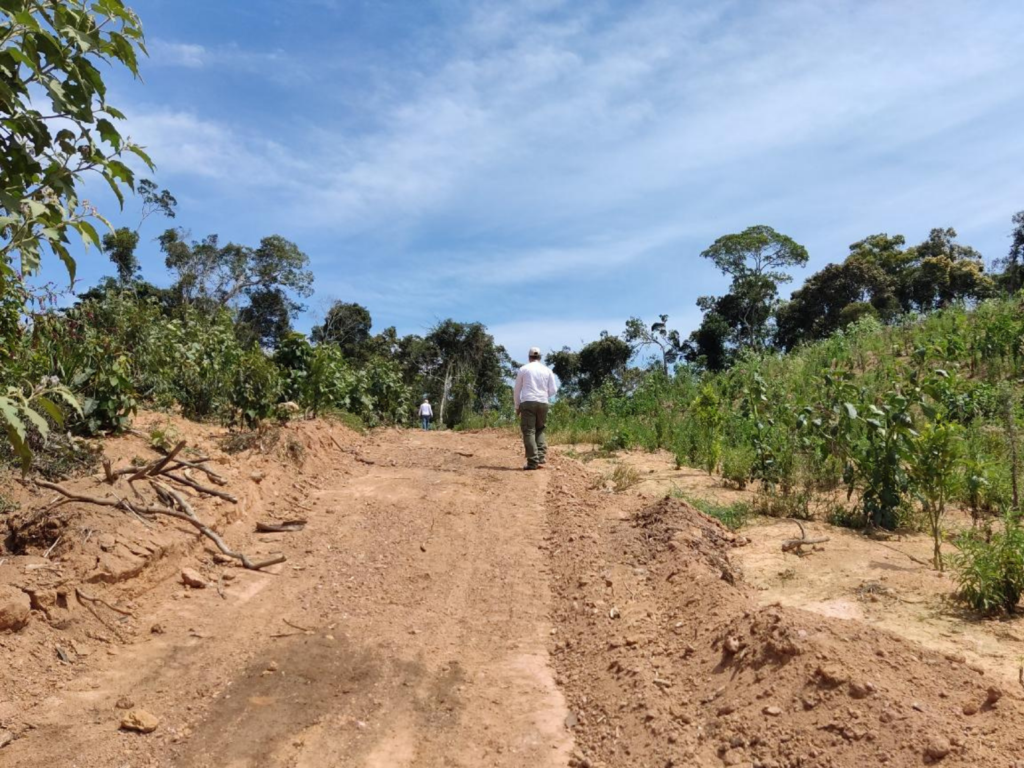
When remote sensing is directly connected to inspection teams and legal procedures, information becomes action. This integration has strengthened institutional capacity and improved the State’s ability to respond quickly to environmental violations.
Why this matters for COP17
Achieving the goals of the Global Biodiversity Framework depends on the capacity of governments to prevent further ecosystem degradation while restoration and conservation efforts advance.
The initiative ‘Olho no Verde’ shows how subnational governments can use technology to integrate biodiversity into territorial decision-making, strengthen enforcement institutions, and ensure accountability across jurisdictions.
By transforming satellite intelligence into rapid enforcement response, Rio de Janeiro highlights that effective biodiversity governance requires both proactive conservation and decisive action against illegal deforestation.
As the global community prepares COP17, this experience highlights the importance of investing in monitoring systems that translate data into concrete protection of ecosystems on the ground.
GBF targets addressed: 1, 4, 7, 8, 11, 12, 14, 21.
Focus areas: Monitoring & enforcement; Digital innovation; Atlantic Forest protection; Territorial governance.
Read more:
• https://www.inea.rj.gov.br/olho-no-verde/
#RegionsVoice brings the voice of regional governments to major events and negotiation processes on sustainable development within the UN. The campaign brings visibility and wider recognition of the role of regional governments in sustainable development, by elevating both individual and collective messages and engaging with a wider audience during the UN Decade of Action.
More actions in this region
‘Olho no Verde’: Protecting the Atlantic Forest with satellite technology
Rio de Janeiro, Brazil The state of Rio de Janeiro is combating illegal deforestation across- Increasing sanitation from 45% to 90%
Blue Metropolis Vision: Navigating Water Challenges for a Resilient and Sustainable Future in Rio de Janeiro
Rio de Janeiro, Brazil In the next decade, Rio de Janeiro is embarking on a
Collaborating Across Municipalities to Preserve Rio de Janeiro’s Biodiversity and Protected Areas
Rio de Janeiro, Brazil The State of Rio de Janeiro is working with 92 municipalities
Conexão Mata Atlântica in Rio de Janeiro: conservation and restoration aligned with sustainable production
Rio de Janeiro, Brazil Rio de Janeiro, Brazil The Conexão Mata Atlântica project is an
Forests of Tomorrow: Restoring the Atlantic Forest in Rio de Janeiro
Rio de Janeiro, Brazil Rio de Janeiro’s Forests of Tomorrow Program restores the Atlantic Forest
Multilevel climate leadership: How Rio de Janeiro Advances Brazil’s Climate Federalism
Rio de Janeiro, Brazil In November 2024, Brazil submitted its enhanced Nationally Determined Contribution (NDC)
Regions4 General Assembly 2024
Raising the bar for climate resilience through regional action.- Partnerships for a Sustainable Future

Rio de Janeiro and UN-Habitat Join Forces
Rio de Janeiro, Brazil Partnerships for a Sustainable Future: The Government of Rio de Janeiro
Rio de Janeiro’s water security strategies for climate action
Rio de Janeiro, Brazil Recognizing the water vulnerability and the importance of treating water security