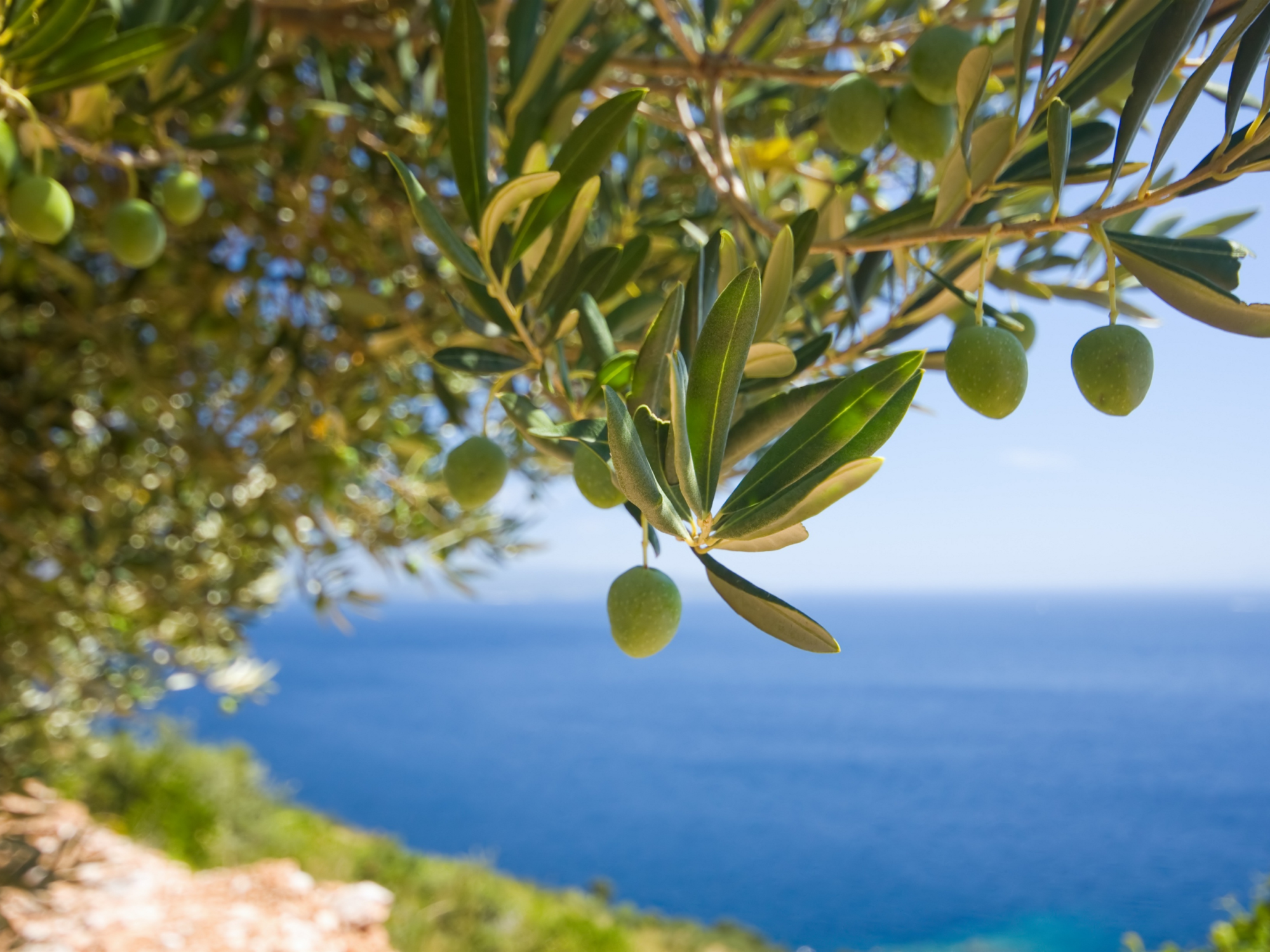
Catalonia strengthens Mediterranean cooperation for climate resilience and biodiversity
Catalonia, SpainMediterranean regions around the world face common climate challenges. Droughts, wildfires, and extreme heat are becoming more frequent and putting pressure on ecosystems, biodiversity, and local communities. Yet, these similar climate conditions offer them a unique opportunity for cross-border cooperation: to learn from one another and act together. Catalonia is helping lead this effort through the Mediterranean Climate Action Partnership (MCAP).
From shared risks to collective action
The Mediterranean Climate Action Partnership (MCAP), launched in 2023, brings together regions with Mediterranean-type climates, including parts of Europe, North and South America, Africa, and Australia, to strengthen climate resilience and biodiversity protection.
Rather than working in isolation, participating regions collaborate to exchange policy approaches and governance models, develop joint solutions to climate risks, strengthen technical capacity and access to funding and raise awareness of shared environmental challenges
This cooperation is structured through Technical Working Groups focused on drought, wildfire, and extreme heat, three of the most pressing threats to Mediterranean ecosystems.
Tracking progress
MCAP monitors progress through tools such as the Action Index, which compiles and compares resilience actions across regions, helping identify what works and where further efforts are needed. Together, these tools strengthen the science–policy interface, turning data into actionable guidance for governments and stakeholders.
MCAP tracks progress through tools such as the Action Index, which compiles and compares resilience actions across regions, helping identify what works and where further efforts are needed. With this kind of support, the partnership strengthens the science–policy connection, turning data into actionable guidance for governments and stakeholders.
Through regular exchanges, study visits, and joint initiatives, MCAP creates a platform where regions can learn from each other while accelerating concrete adaptation efforts.
Bridging science and policy: the MECEMB project
One of the partnership’s flagship initiatives is the MECEMB-MCAP project (Main Effects of Climatic Extreme Events on Mediterranean Biodiversity), co-led by Catalonia and California in collaboration with research institutions.
The project focuses on a key gap: understanding how extreme climate events directly affect biodiversity, and how this knowledge can inform policy.
To do so, participating regions, including Catalonia, California, Santiago de Chile, New South Wales, and Western Cape, contribute to scientific reports and literature reviews, regional data and case studies and expert insights from researchers and policymakers.
These inputs are combined into a comparative analysis that identifies:
- Common trends across regions
- Key vulnerabilities in ecosystems
- Knowledge gaps and research needs
- Transferable solutions for adaptation
MECEMB is applying a structured methodology that combines scientific analysis with expert validation. Its findings are aligned with regional and international policy frameworks, ensuring that results are directly usable for decision-making.
While the initial phase of data collection and comparative analysis between Catalonia and California has been concluded, continued research from other participating regions’ scientific institutions will lead to the first cross-regional assessment of the impacts of extreme climate events on Mediterranean ecosystems.
By translating scientific evidence into policy-relevant insights, the project helps decision-makers design more effective biodiversity and climate strategies.
Early results and growing momentum
Although in its early stages, the MCAP partnership is already delivering tangible outcomes:
- Established a global alliance with a shared action agenda (2024–2026)
- Mobilized over $1.8 million for climate adaptation and collaboration
- Launched pilot projects through “Mini Sprints” to test scalable solutions
- Created technical working groups to support on-the-ground action
These efforts are helping regions move from fragmented responses to more coordinated, evidence-based strategies, benefiting both ecosystems and communities.
Why this matters for COP17
As climate impacts intensify, the link between biodiversity and climate adaptation is becoming impossible to ignore.
Catalonia’s leadership within the Mediterranean Climate Action Partnership highlights an important shift: effective biodiversity action increasingly depends on cross-regional cooperation and shared knowledge.
By connecting science, policy, and practice across continents, this approach helps:
- Strengthen resilience to climate extremes
- Improve the effectiveness of biodiversity strategies
- Accelerate learning and scaling of solutions
- Align regional action with global biodiversity goals
As discussions advance toward COP17, this experience offers a clear lesson: addressing biodiversity loss in a changing climate requires collaboration beyond borders, grounded in evidence and driven by shared challenges.
GBF targets addressed: 4, 8, 11, 12, 14, 20, 21.
Focus area: Climate adaptation; Biodiversity resilience; Science–policy interface; Multilevel cooperation.
Read More: MCAP’s Annual Convening 2026
#RegionsVoice brings the voice of regional governments to major events and negotiation processes on sustainable development within the UN. The campaign brings visibility and wider recognition of the role of regional governments in sustainable development, by elevating both individual and collective messages and engaging with a wider audience during the UN Decade of Action.
More actions in this region

Aliança Catalunya 2030: Catalonia’s Multi-Stakeholder Framework for Advancing the SDGs
Catalonia, Spain The Aliança Catalunya 2030 is an institutionalized multi-stakeholder coalition in Catalonia,- Reduce emissions on 100% by 2050

Catalan Strategy for Adapting to Climate Change 2013-2020
Catalonia, Spain A Global Indicator of Climate Change Adaptation in Catalonia Catalonia is
Catalonia strengthens Mediterranean cooperation for climate resilience and biodiversity
Catalonia, Spain Mediterranean regions around the world face common climate challenges. Droughts, wildfires, and extreme heat are- Carbon taxes

Catalonia’s Climate Fund: Mobilizing Tax Revenue to Boost Community Resilience and Climate Action
Catalonia, Spain Catalonia is taking a bold stand against climate change with its- Measuring Adaptation
Catalonia’s Global Indicator on Adaptation: A Tool for Inclusive and Resilient Climate Action
Catalonia, Spain Catalonia continues to lead the way in climate adaptation, refining its
Co-Management Maritime Board of Litoral del Baix Empordà
Catalonia, Spain Catalonia, Spain Natura 2000 is a network of key breeding and- 1272 exotic species listed

Exotic Information System of Catalonia (EXOCAT)
Catalonia, Spain Information system of the exotic species of catalonia Catalonia is one- Increasing capacity to absorb up to 20% of CO2 emissions
Life CLIMARK beyond carbon
Catalonia, Spain Contributing to the mitigation of climate change and increasing the carbon sink- Over 750 commitments

Localising SDGs in Catalonia
Catalonia, Spain Catalonia’s Commitment to the 2030 Agenda – Transform Catalonia, Improve the- 2030 Strategy for Natural Heritage and Biodiversity

State of Nature in Catalonia 2020
Catalonia, Spain A comprehensive look at Catalonia’s current state of nature Context About
The Catalan Strategy for Adaptation to Climate Change 2021-2030
Catalonia, Spain The Catalan Strategy for Adaptation to Climate Change, 2021-2030 (ESCACC30) analyzes- 100 citizens making a different in climate public policies
