
#RegionsVoice 2026
#RegionsVoice 2026Explore how Regions4 members and partner regions are turning global goals into action through real-world stories

#RegionsVoice is a global campaign that shares stories from regional governments, highlighting their innovative actions on biodiversity, climate action and sustainable development. By bringing these experiences into major international events and discussions, the campaign raises the visibility of regional leadership and ensures their perspectives are part of the global conversation during the UN Decade of Action. Ahead of Biodiversity COP17, this year’s #RegionsVoice campaign focuses on promoting action for nature across leading regions.
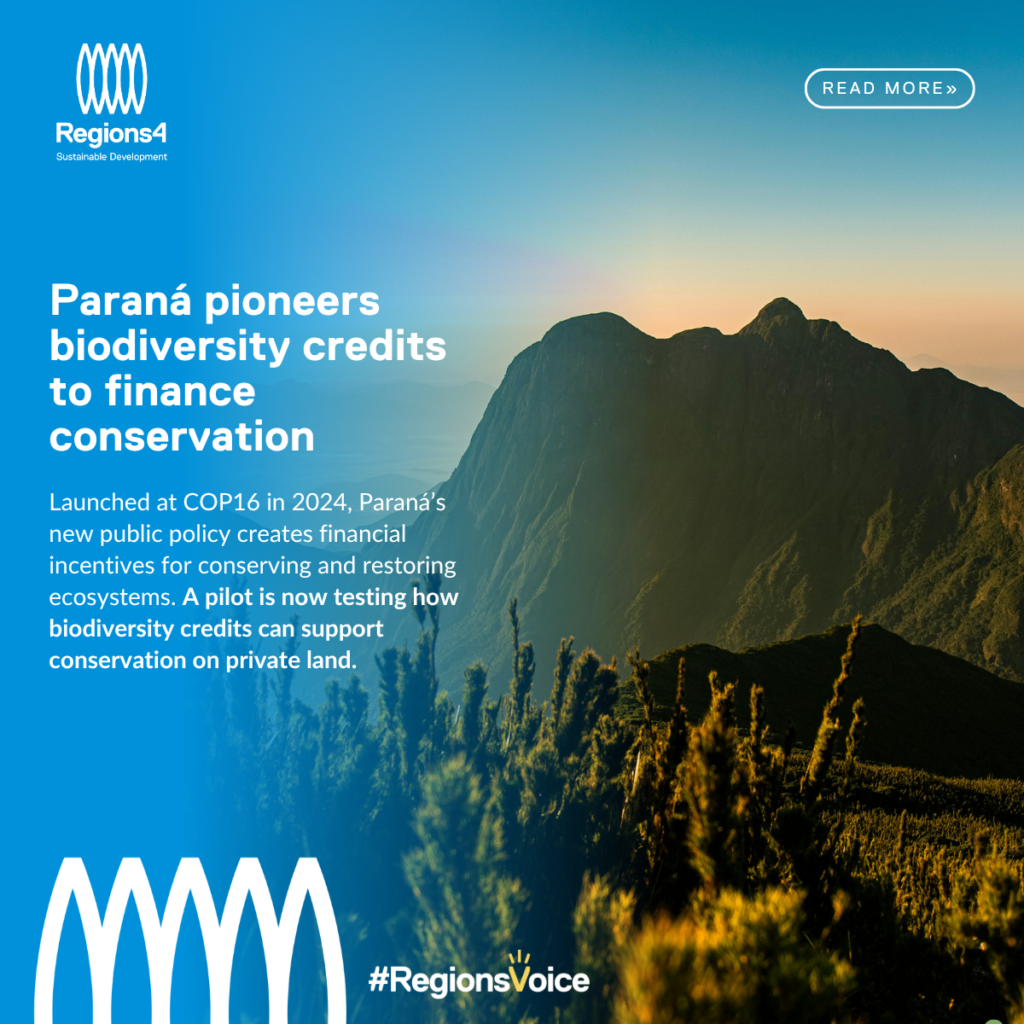
Paraná Pioneers the Use of Biodiversity Credits as a New Financial Model for Conservation
Paraná, Brazil
Protecting biodiversity requires more than protected areas alone, it requires new economic models that reward people and territories for conserving ecosystems. The Brazilian state of Paraná’s Public Policy on Biodiversity Credits, launched at COP16, was presented as a pioneering subnational initiative that establishes guidelines for the economic valuation of biodiversity conservation, restoration, and protection actions, providing the foundation for an emerging biodiversity credit market.
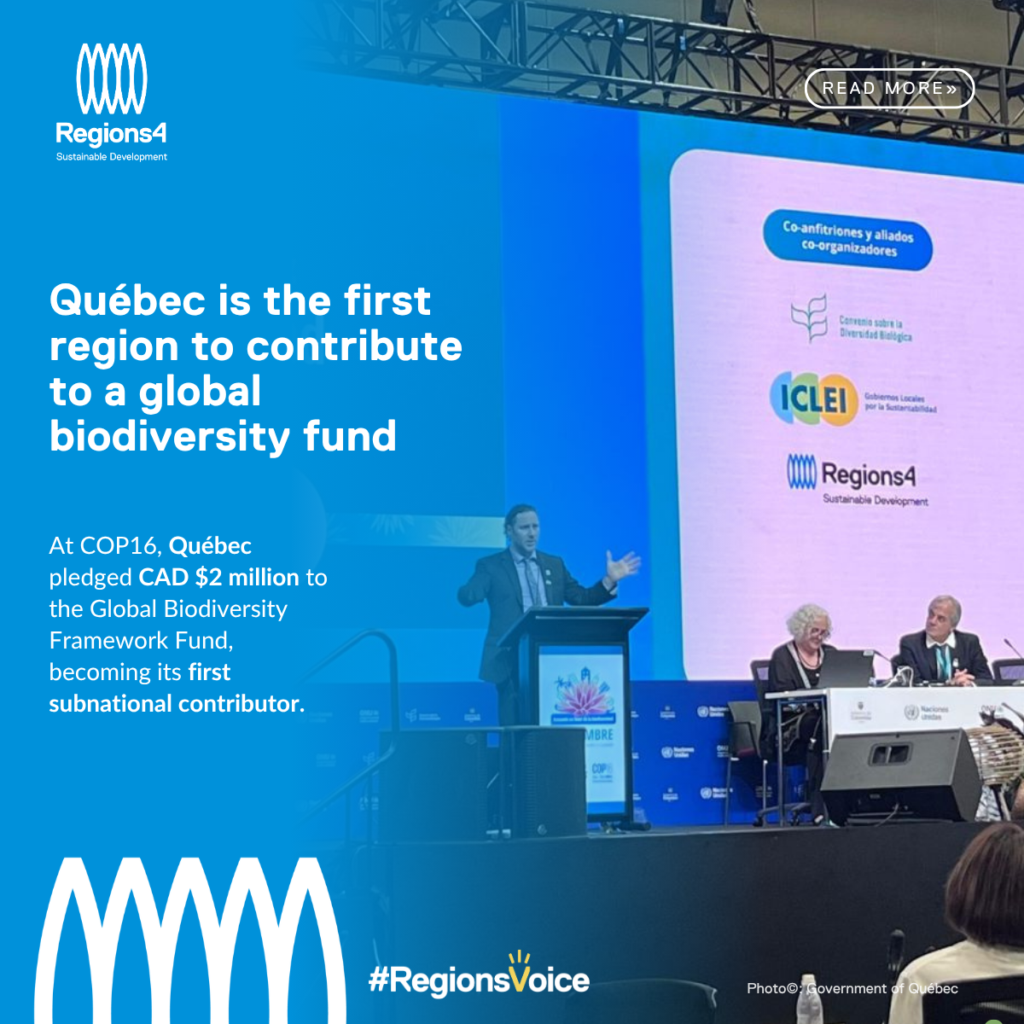
Québec Becomes the First Region to Support Global Biodiversity Fund with Historic Investment in Nature
Québec, Canada
Financing the fight against biodiversity loss is a global challenge, and Québec is taking a leading role. Reversing the decline of species and ecosystems is estimated to require an investment of US $200 billion per year by 2030 (Target 19). While national governments are central to these efforts, subnational governments manage vast forests, freshwater systems, coasts, and protected areas – and until now, they have had little direct access to international funding.
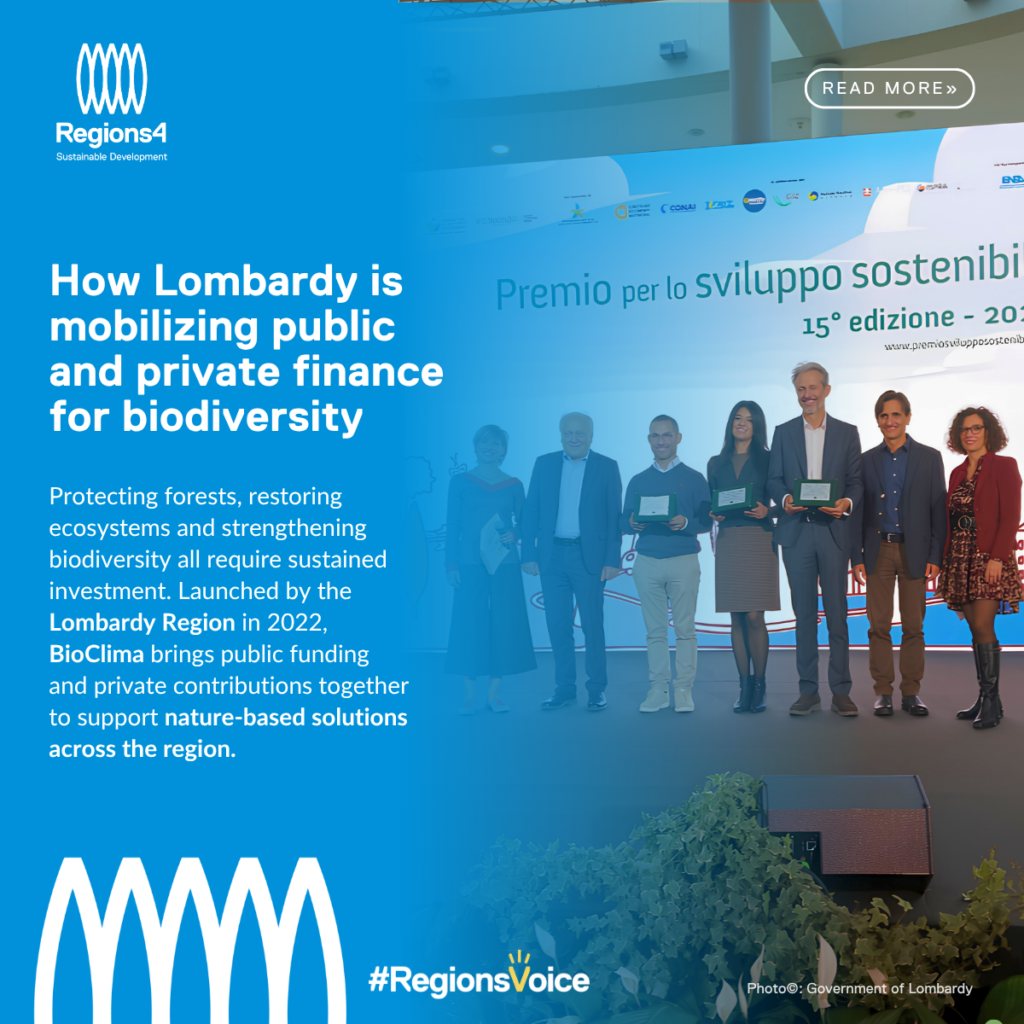
BioClima: Mobilizing public and private finance for biodiversity in Lombardy
Lombardy, Italy
Facing rising biodiversity pressures and constrained public budgets, in 2022 the Lombardy Region has launched BioClima, a blended finance mechanism that mobilizes private capital for nature-based solutions across its territory. With the public-financing phase completed in 2025, BioClima has already delivered tangible and measurable results while private financing efforts continue.
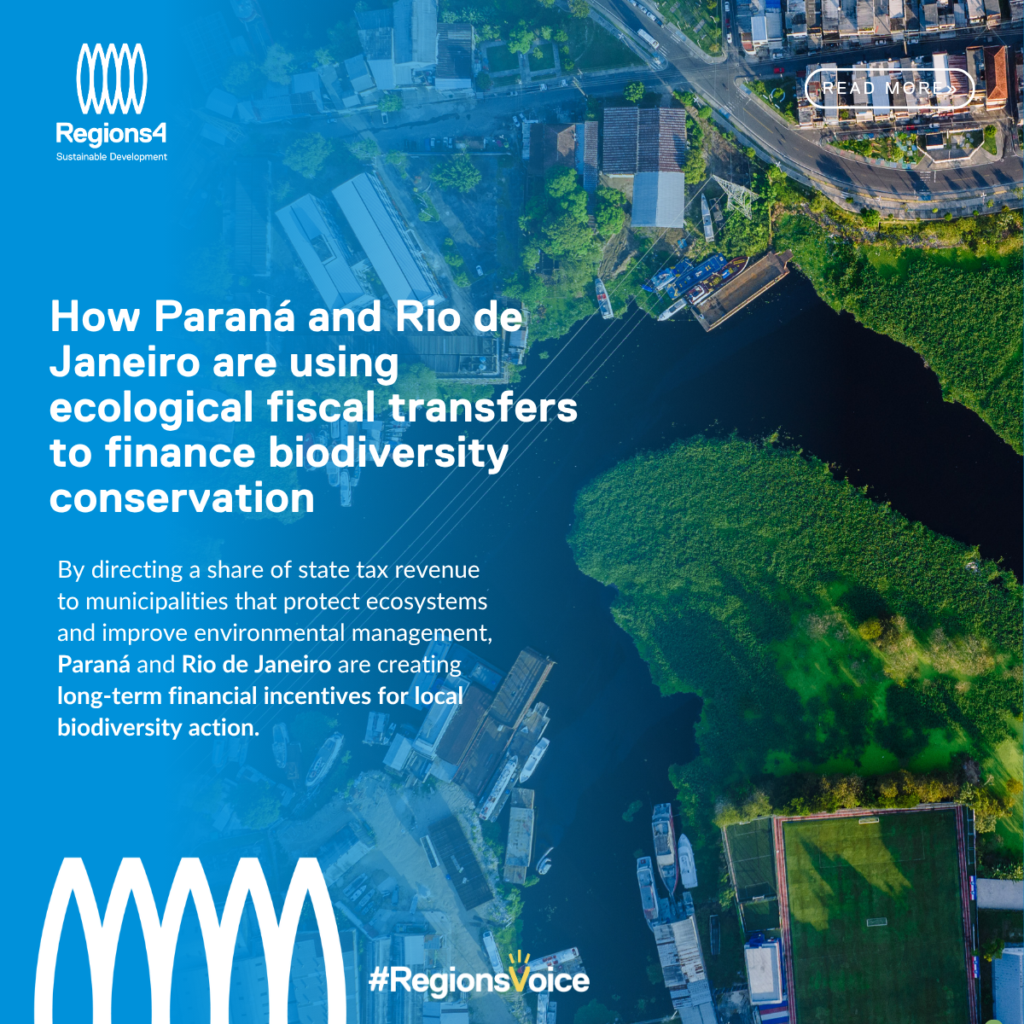
How Paraná and Rio de Janeiro are using ecological fiscal transfers to finance biodiversity conservation
Paraná and Rio de Janeiro, Brazil
As subnational governments look for new ways to close the biodiversity finance gap, fiscal policy is emerging as a powerful tool for conservation. In Brazil, the states of Paraná and Rio de Janeiro have demonstrated how rewarding municipalities that implement environmental protection policies with ecological fiscal transfers, can improve ecosystem protection as well as environmental management.
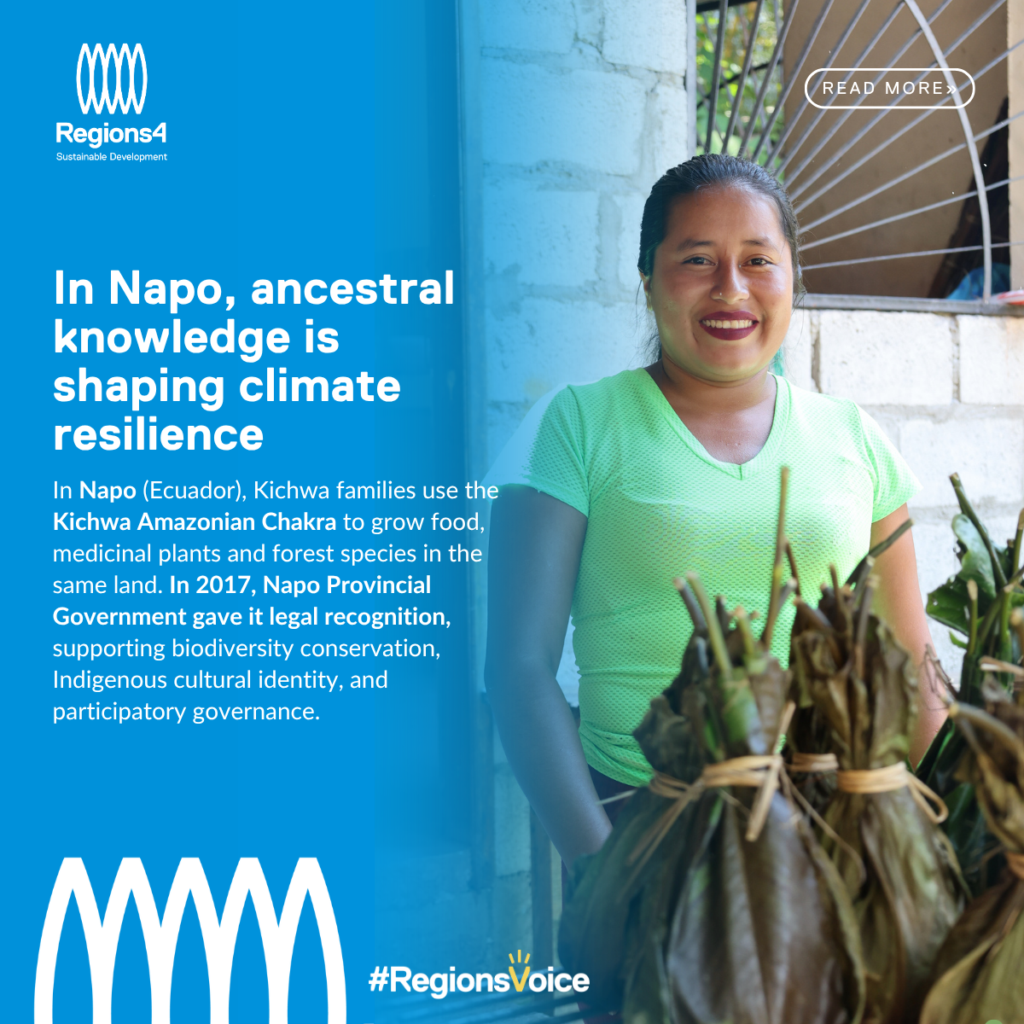
Napo strengthens the Kichwa Amazonian Chakra and promotes Indigenous-Led Resilience
Napo, Ecuador
In Ecuador’s Napo Province, Indigenous Kichwa communities and the provincial government are working together to protect one of the Amazon’s oldest agroforestry systems: the Kichwa Amazonian Chakra. Recognized through provincial legislation since 2017, the initiative combines ancestral knowledge, participatory governance and community-based certification to conserve biodiversity, strengthen local livelihoods and support climate resilience.
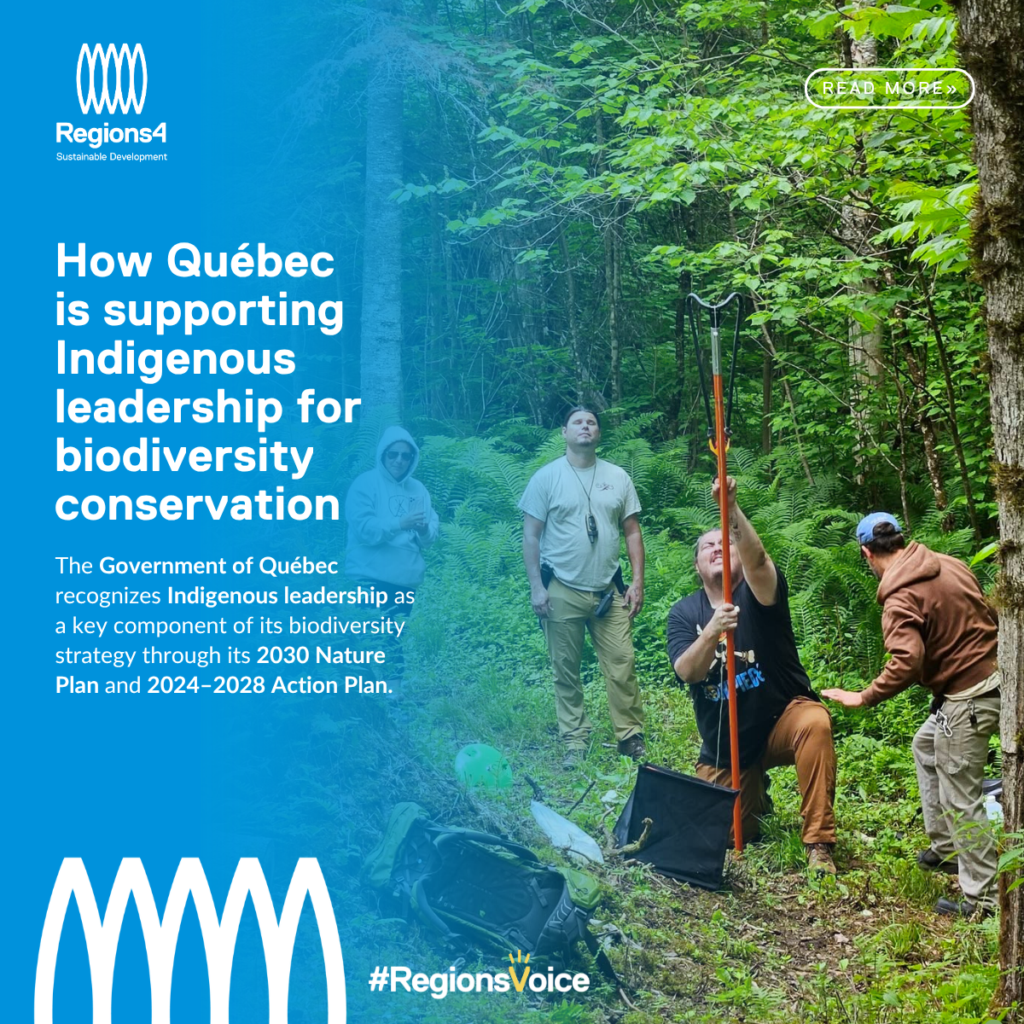
How the Government of Québec is supporting Indigenous leadership for biodiversity conservation
Québec, Canada
Across the globe, Indigenous Peoples manage and steward a large portion of the world’s remaining biodiversity. Despite this, conservation policies often overlook Indigenous leadership, knowledge, and governance. In October 2024, the Government of Québec made Indigenous leadership a key component of its biodiversity strategy. Through its 2030 Nature Plan and associated 2024–2028 Action Plan, Québec committed to support Indigenous-led conservation initiatives as a foundational element of its approach to protect biodiversity.
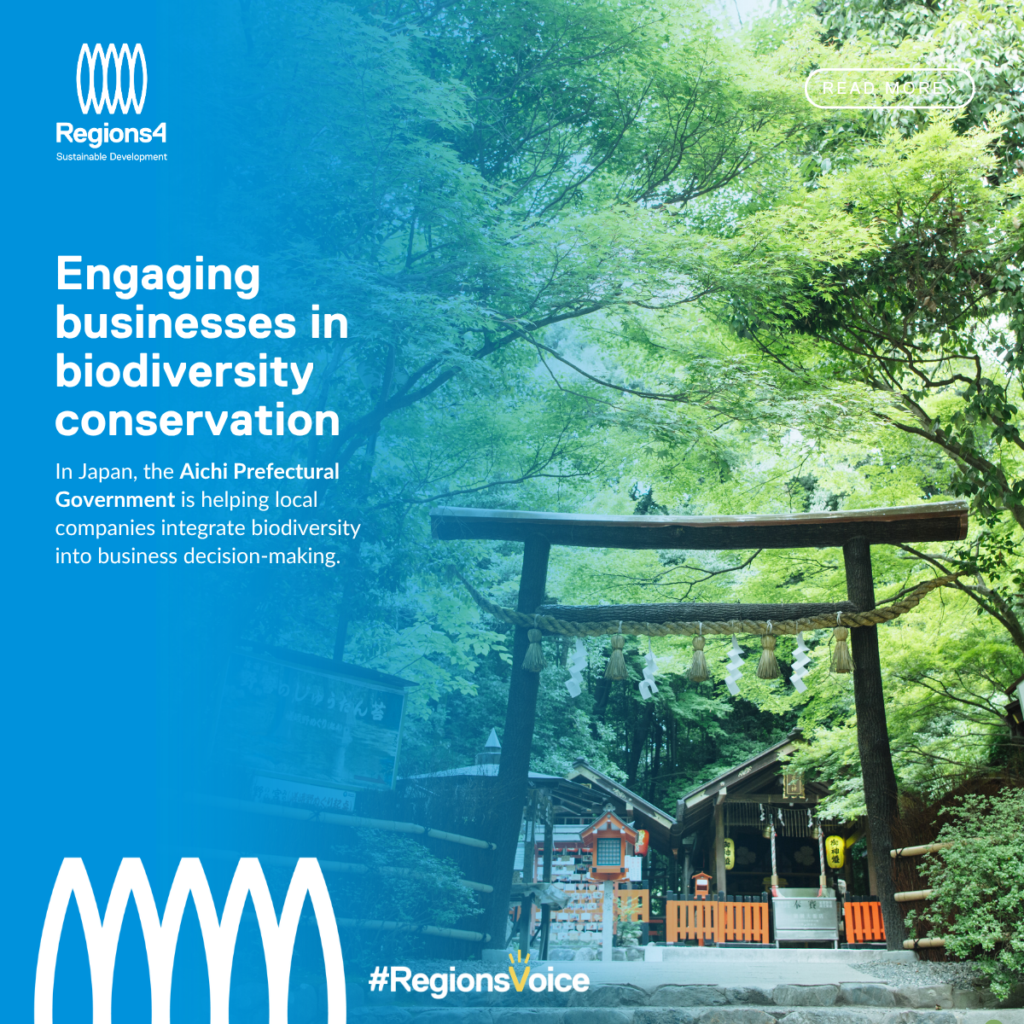
How Aichi Prefectural Government is helping businesses integrate biodiversity into decision-making
Aichi, Japan
As businesses face growing expectations to address their impacts on nature, governments are increasingly supporting efforts to integrate biodiversity into corporate decision-making. In Japan, the Aichi Prefectural Government has been running the Nature-Positive Management Promotion Seminars since February 2024, helping companies better understand biodiversity, natural capital, and nature-positive management while encouraging alignment with international biodiversity frameworks.
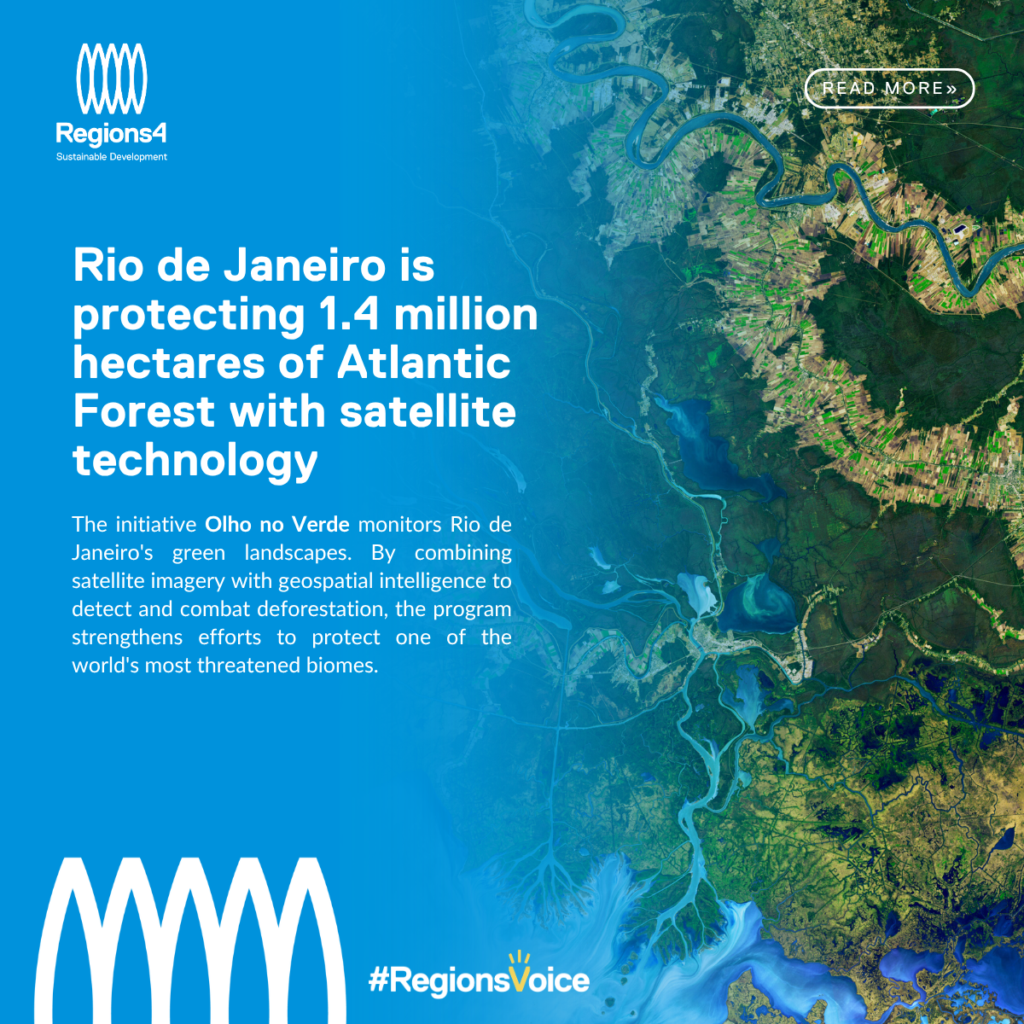
‘Olho no Verde’: protecting the atlantic forest with satellite technology
Rio de Janeiro, Brazil
Protecting biodiversity requires not only planning and restoration, but also vigilance. Since 2016, the State of Rio de Janeiro has strengthened its environmental enforcement capacity through ‘Olho no Verde’, a satellite monitoring system designed to detect and combat illegal deforestation across the state’s Atlantic Forest. By combining geospatial intelligence, artificial intelligence and rapid enforcement response, the initiative combats illegal deforestation, ensuring environmental violations are identified early and addressed effectively.
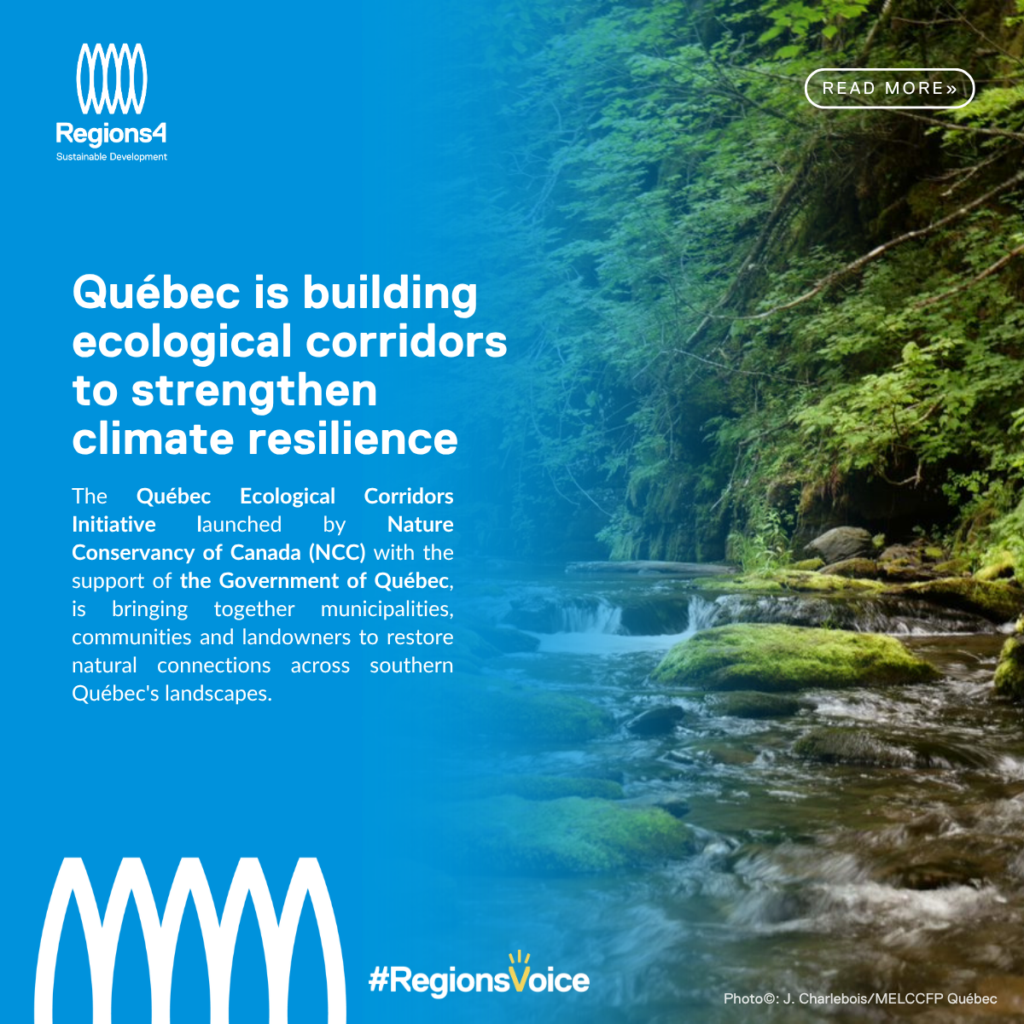
Québec ecological corridors: supporting resilience against climate change and biodiversity loss
Québec, Canada
As biodiversity declines and climate impacts intensify, Québec is rethinking how natural areas can be more efficiently conserved in the long-term with ecological corridors. Through the Québec Ecological Corridors Initiative (QECI), launched by the Nature Conservancy of Canada (NCC) and its conservation partners, the province is using nature-based solutions to address biodiversity loss, climate adaptation, and resilience to natural hazards.
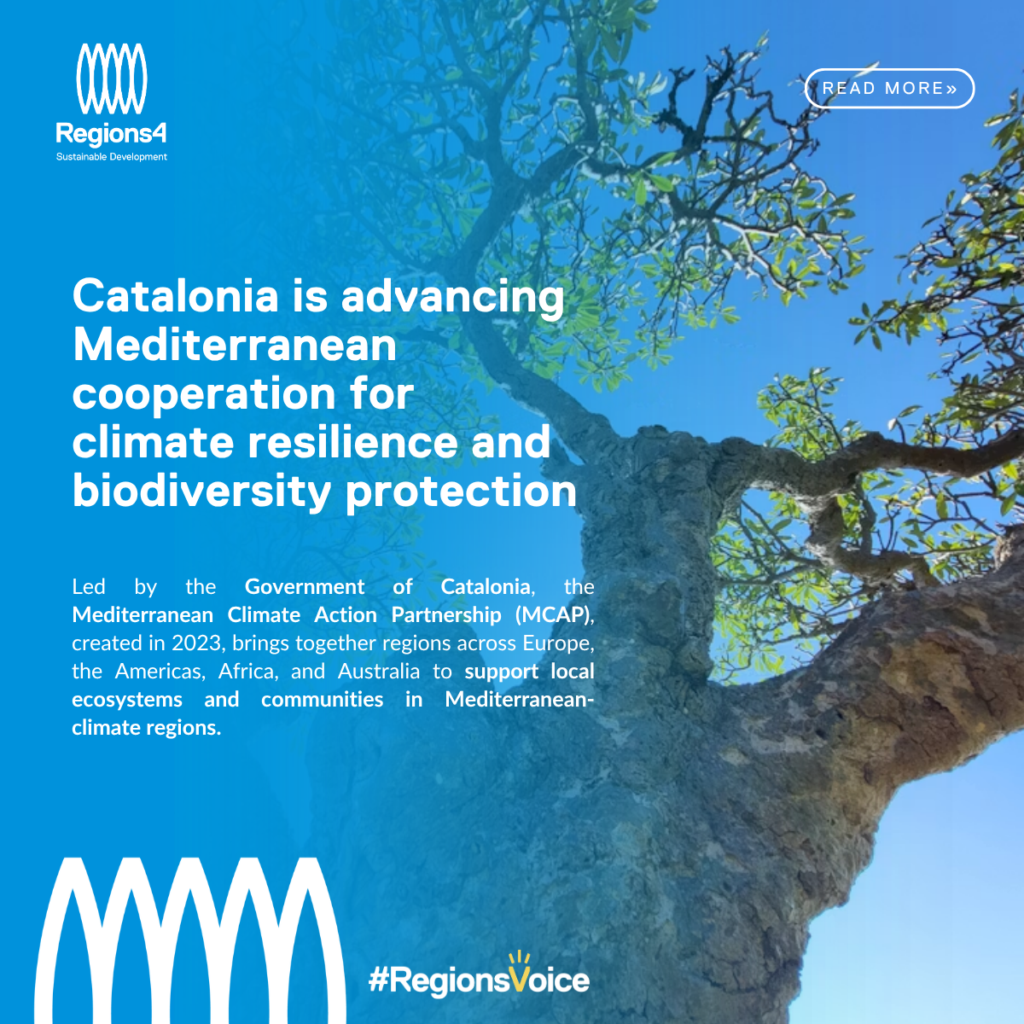
Catalonia strengthens Mediterranean cooperation for climate resilience and biodiversity
Catalonia, Spain
Mediterranean regions around the world face common climate challenges. Droughts, wildfires, and extreme heat are becoming more frequent and putting pressure on ecosystems, biodiversity, and local communities. Yet, these similar climate conditions offer them a unique opportunity for cross-border cooperation: to learn from one another and act together. Catalonia is helping lead this effort through the Mediterranean Climate Action Partnership (MCAP).
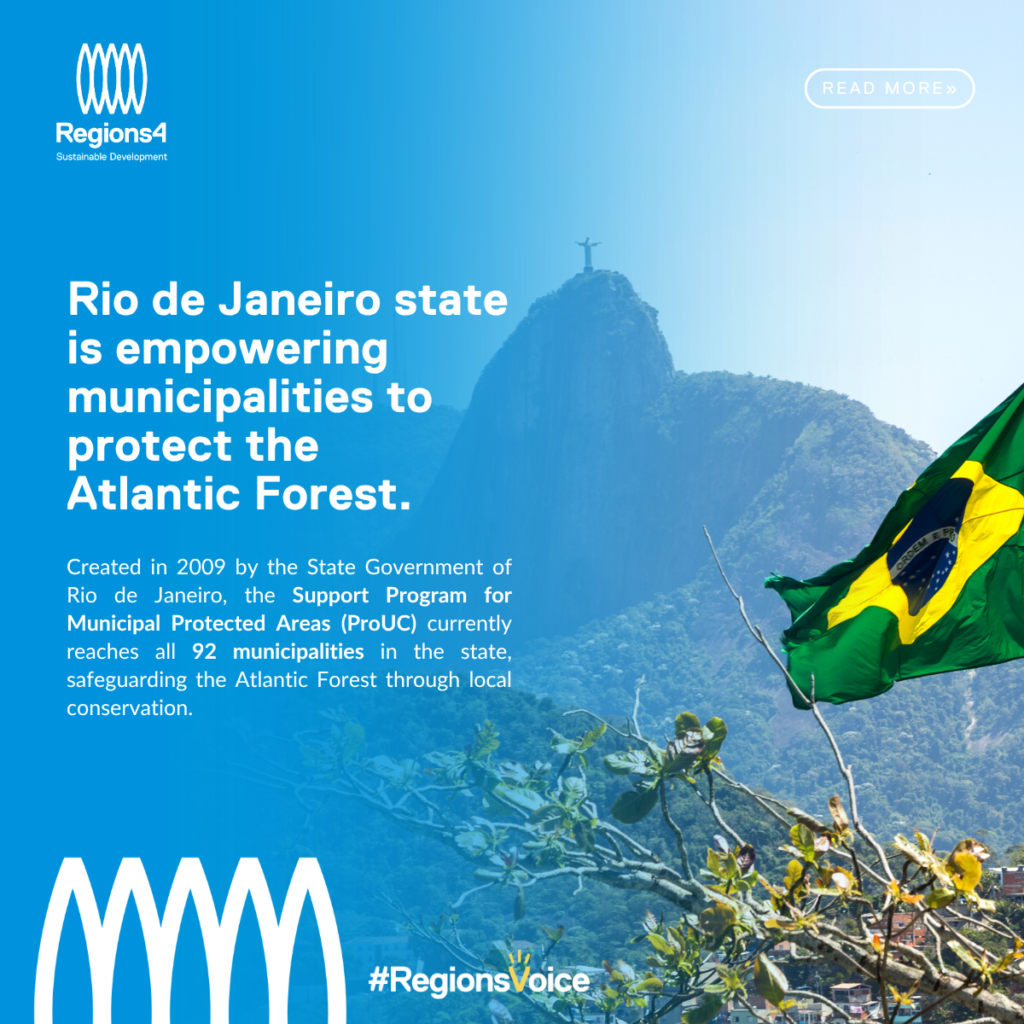
Collaborating across municipalities to preserve Rio de Janeiro’s biodiversity and protected areas
Rio de Janeiro, Brazil
As biodiversity loss accelerates and urban pressures expand, strengthening conservation efforts across all levels of government has become essential. Protecting biodiversity in a state as ecologically diverse as Rio de Janeiro requires coordinated action across all territories. In response to this challenge, the State of Rio de Janeiro launched the Support Program for Municipal Protected Areas (ProUC), to strengthen cooperation with its 92 municipalities and expand local conservation efforts.
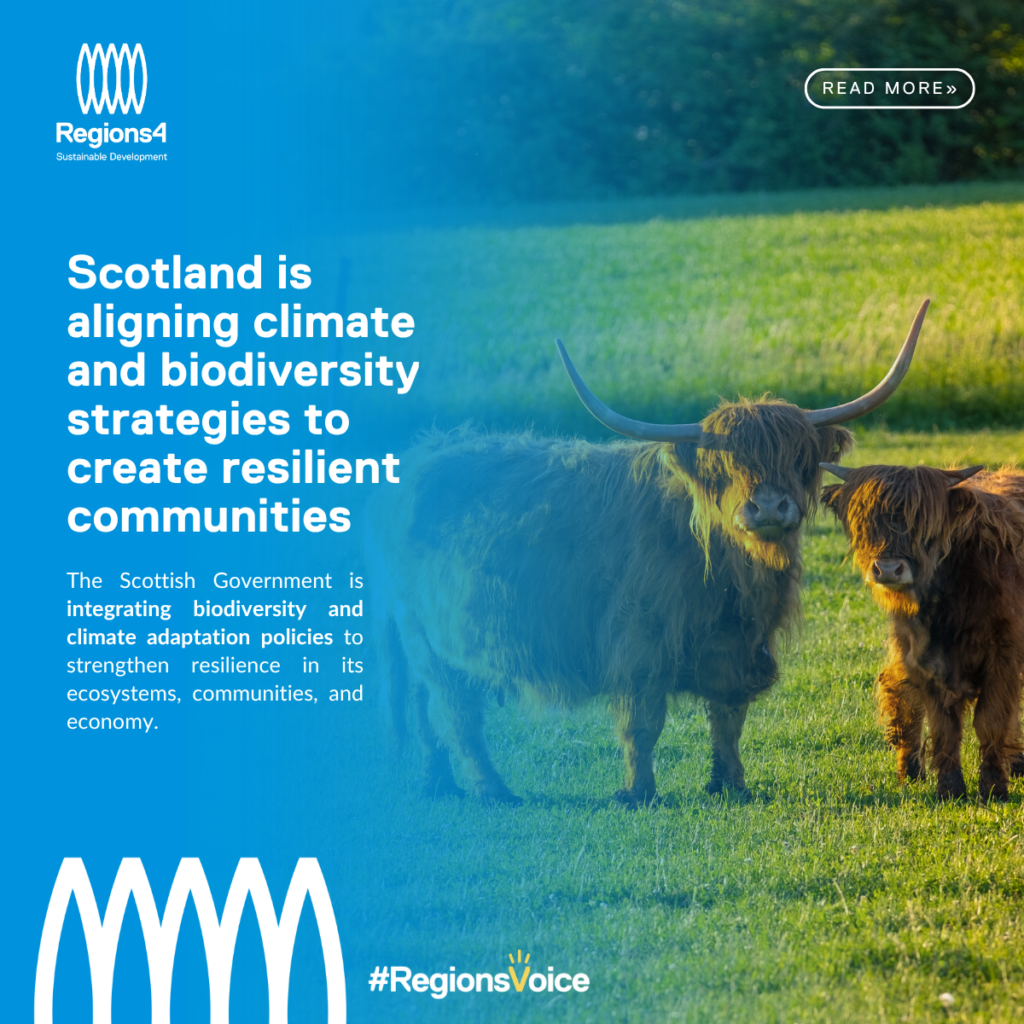
Aligning biodiversity and climate policy for resilient communities in Scotland
Scotland, UK
In Scotland, biodiversity loss and climate change are being addressed through a more coordinated approach. By aligning biodiversity and climate adaptation strategies and policies, the Scottish Government is working to ensure that nature restoration and climate resilience reinforce each other, delivering benefits for ecosystems, communities, and the economy.
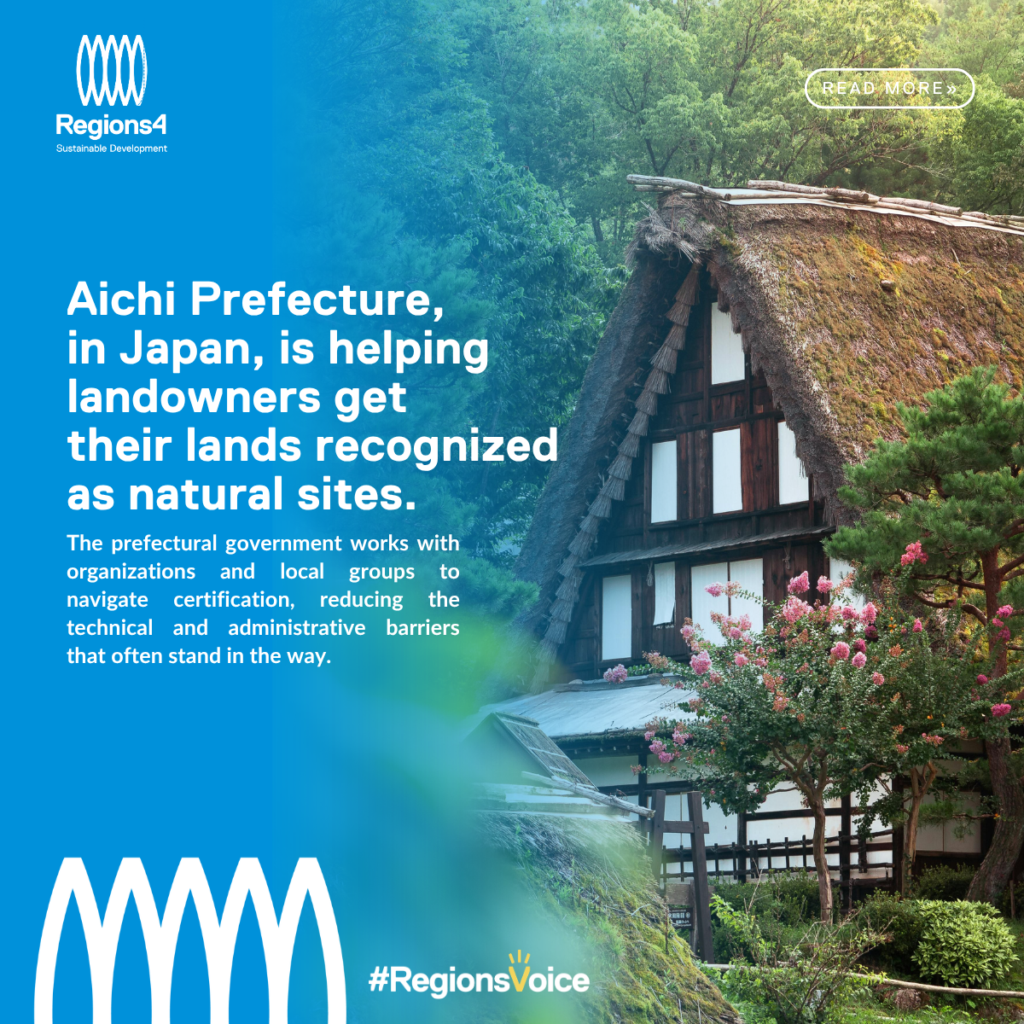
Aichi Prefecture Government: Connecting Local Conservation to Global Biodiversity Goals in Japan
Aichi, Japan
In April 2025, the Aichi Prefectural Government launched a program to support “Nationally Certified Sustainably Managed Natural Sites”, anticipating their recognition as Other Effective area-based Conservation Measures (OECMs). This initiative is part of the prefecture’s commitment to align local conservation efforts with national and global biodiversity frameworks promoting biodiversity protection across the region.
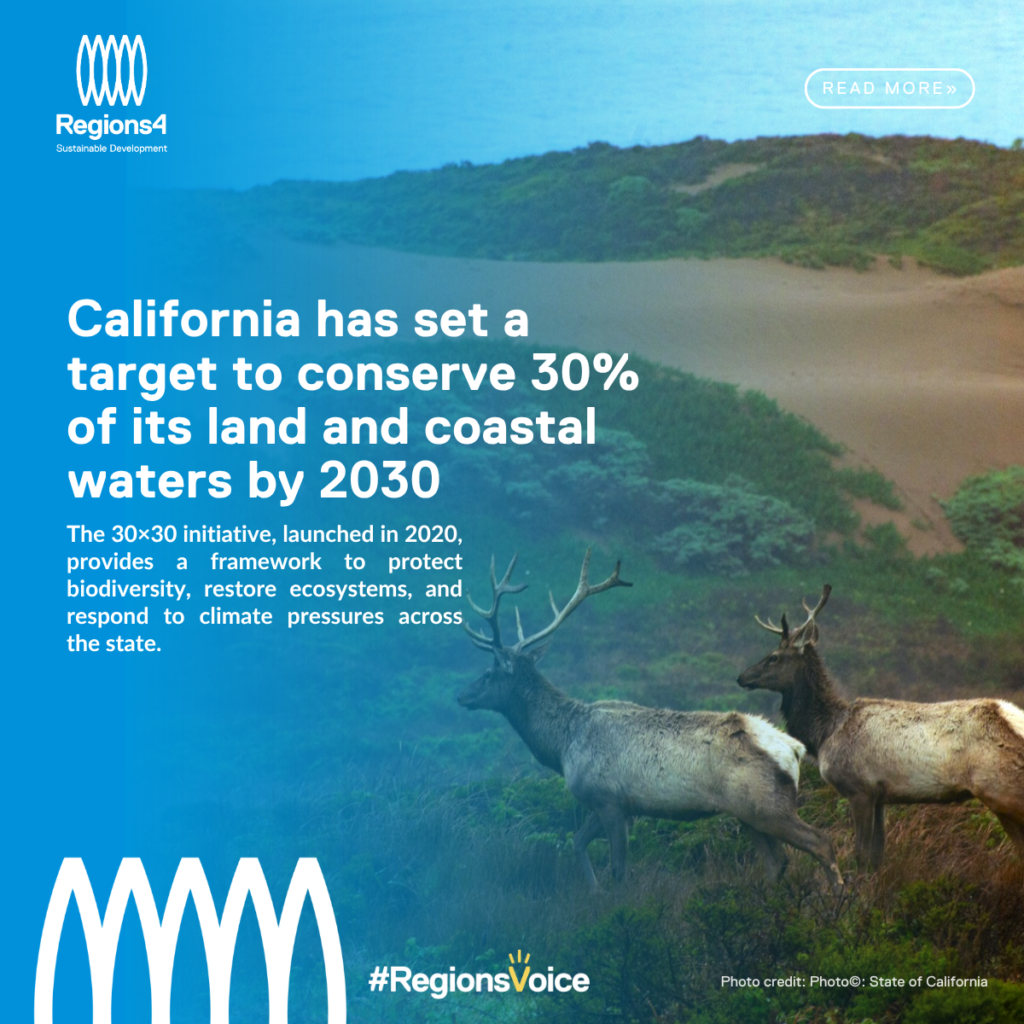
California’s 30×30: Protecting Nature, Lands and Coastlines by 2030
California, USA
The State of California launched the “30×30” goal, an ambitious initiative to conserve 30% of the state’s lands and waters by 2030 to combat biodiversity loss and climate change. The initiative aims to protect and restore biodiversity, build climate resilience, and ensure equitable access to nature for local communities.
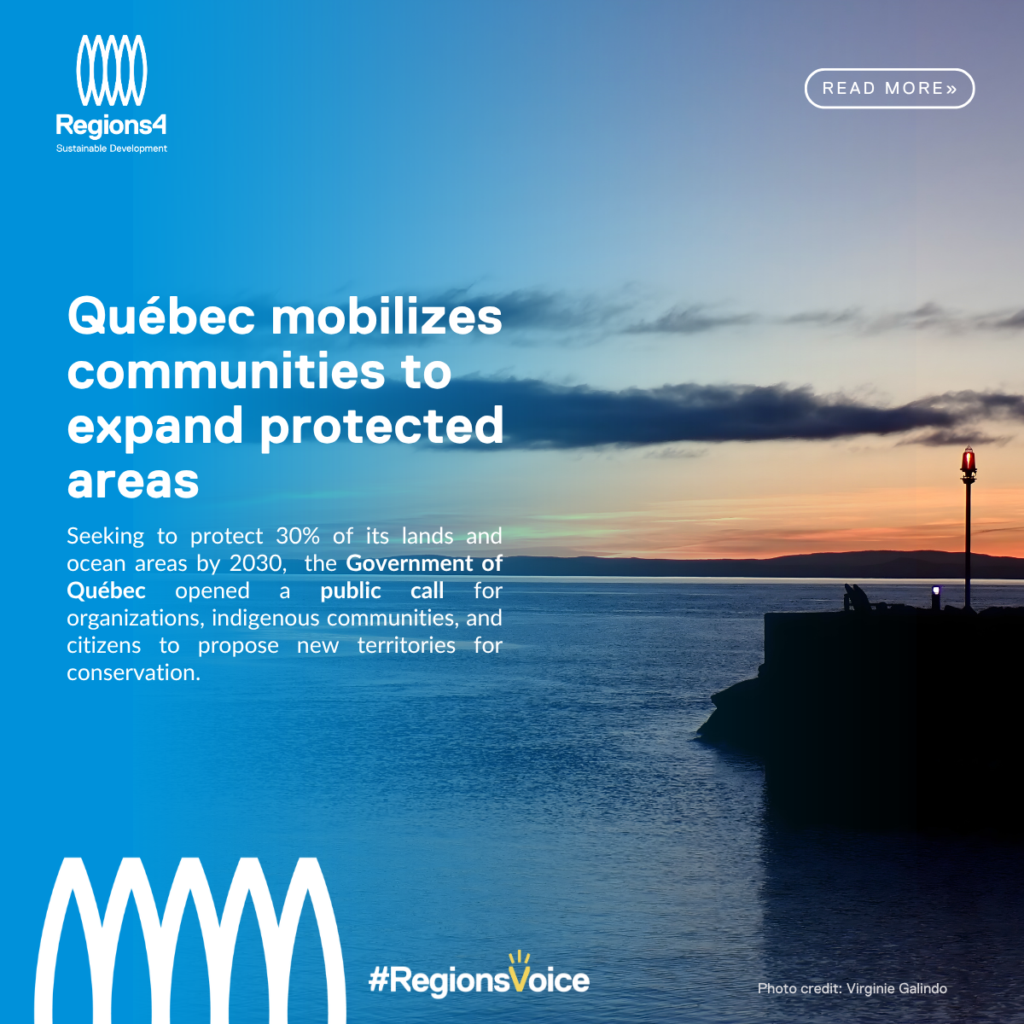
Putting Communities at the Heart of Conservation in Québec
Québec, Canada
Across Québec, biodiversity faces growing pressures from habitat loss, climate change, and increasing development. In response, the Government of Québec has committed to conserving 30% of its continental and marine environments by 2030. Reaching this goal- often referred to as “30×30” – a worldwide initiative for governments to designate 30% of Earth’s land and ocean land as protected areas by 2030 – requires broad participation, practical tools, and shared responsibility.
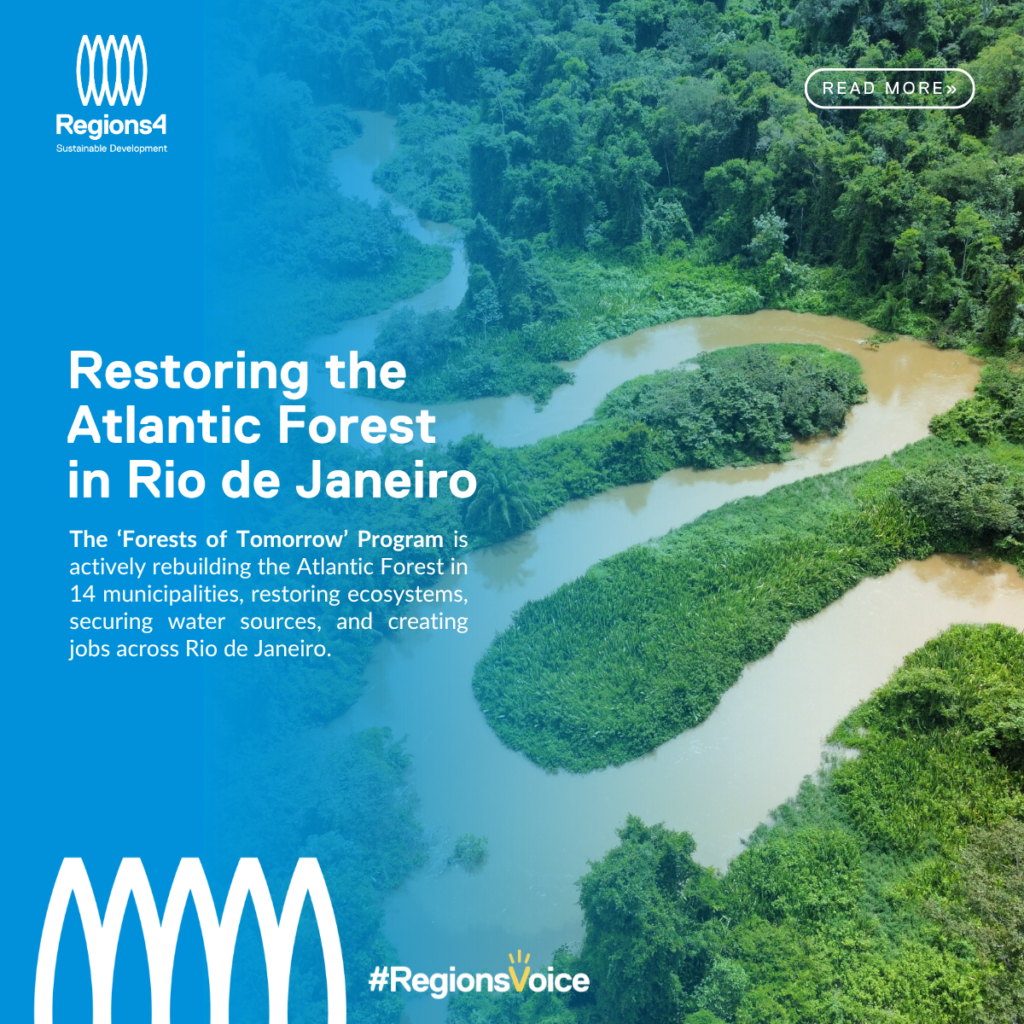
Forests of Tomorrow: Restoring the Atlantic Forest in Rio de Janeiro
Rio de Janeiro, Brazil
Restoring ecosystems is essential to reversing biodiversity loss and strengthening climate resilience. Through the ‘Forests of Tomorrow Program’, the State of Rio de Janeiro is advancing large-scale restoration of the Atlantic Forest across priority hydrographic regions. By combining state-level planning, municipal engagement, and innovative financing mechanisms, the program shows how ecosystem restoration can generate biodiversity gains, climate benefits, and social impact simultaneously.
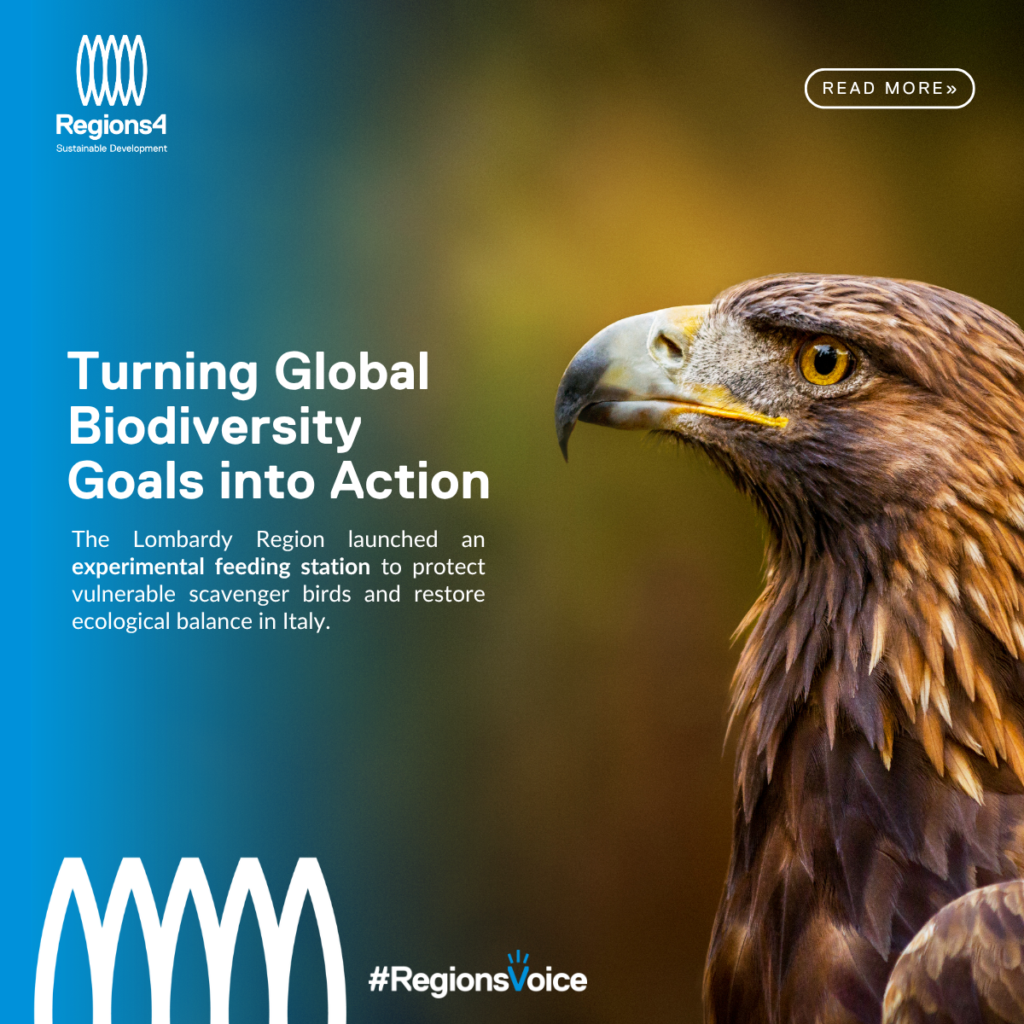
Lombardy’s Experimental Feeding Station: A Nature-Based Solution for Scavenger Birds
Lombardy, Italy
The Lombardy Region launched an experimental feeding station to protect vulnerable scavenger birds and restore ecological balance. Led by the Lombardy Foundation for the Environment, with the cooperation of institutions and organizations of the Lombardy region, the initiative establishes a secure and reliable food source for vulnerable scavenger birds, strengthening biodiversity resilience, and species survival. In doing so, it translates the ambitions of the Kunming-Montreal Global Biodiversity Framework into concrete, measurable action on the ground in Italy.

- Aichi, Japan | 6 May 2026
Aichi Prefecture Government: Connecting Local Conservation to Global Biodiversity Goals in Japan - California, USA | 22 April 2026
California’s 30×30: Protecting Nature, Lands and Coastlines by 2030 - Québec, Canada | 15 April 2026
Putting Communities at the Heart of Conservation in Québec - Rio de Janeiro, Brazil | 21 March 2026
Forests of Tomorrow: Restoring the Atlantic Forest in Rio de Janeiro - Lombardy, Italy | 3 March 2026
Lombardy’s Experimental Feeding Station: A Nature-Based Solution for Scavenger Birds
Visit our #RegionsVoice campaign from previous years:

Follow us on LinkedIn to access our upcoming stories.

With the support of the Gouvernement du Québec