
California’s 30×30: Protecting Nature, Lands, and Coastlines by 2030
California, USADelivering 30×30: Regions turning global biodiversity commitments into coordinated territorial action
The State of California launched the “30×30” goal, an ambitious initiative to conserve 30% of the state’s lands and waters by 2030 to combat biodiversity loss and climate change. The initiative aims to protect and restore biodiversity, build climate resilience, and ensure equitable access to nature for local communities.
The State of California is home to some of the most diverse ecosystems in North America, from coastal wetlands to forests, deserts, and mountains. These habitats sustain countless species and support communities, culture, and local economies. Yet California’s landscapes face mounting pressures from fast-paced urban development that has been causing habitat loss, and climate change. Making biodiversity protection more urgent than ever. Recognizing these challenges, California launched the “30×30” goal, an ambitious initiative to conserve 30% of the state’s lands and waters by 2030.
A statewide commitment to conserve 30% of the state’s lands and coastal waters
The 30×30 initiative, launched in 2020, provides a framework for conservation across the state. Its objectives include sustaining functioning ecosystems, protecting species diversity, restoring degraded landscapes, and providing opportunities for people to experience nature.
The implementation of California’s 30×30 goal is guided by “Pathways to 30×30” a strategy that outlines ten complementary approaches to ensure the state conserves 30 percent of its land and coastal waters by 2030:
- Accelerating regionally led conservation
- Expanding voluntary conservation easements
- Executing strategic land and water acquisitions
- Enhancing protection of existing public lands and coastal waters
- Institutionalizing advance mitigation
- Strengthening restoration and stewardship programs
- Improving coordination among governments and partners
- Aligning investments for maximum conservation impact
- Promoting complementary conservation measures
- Evaluating outcomes and adapting management
Together, these pathways create a flexible, multi-partner approach that balances ecological priorities with community engagement and cultural stewardship.
Collaboration at the heart of conservation
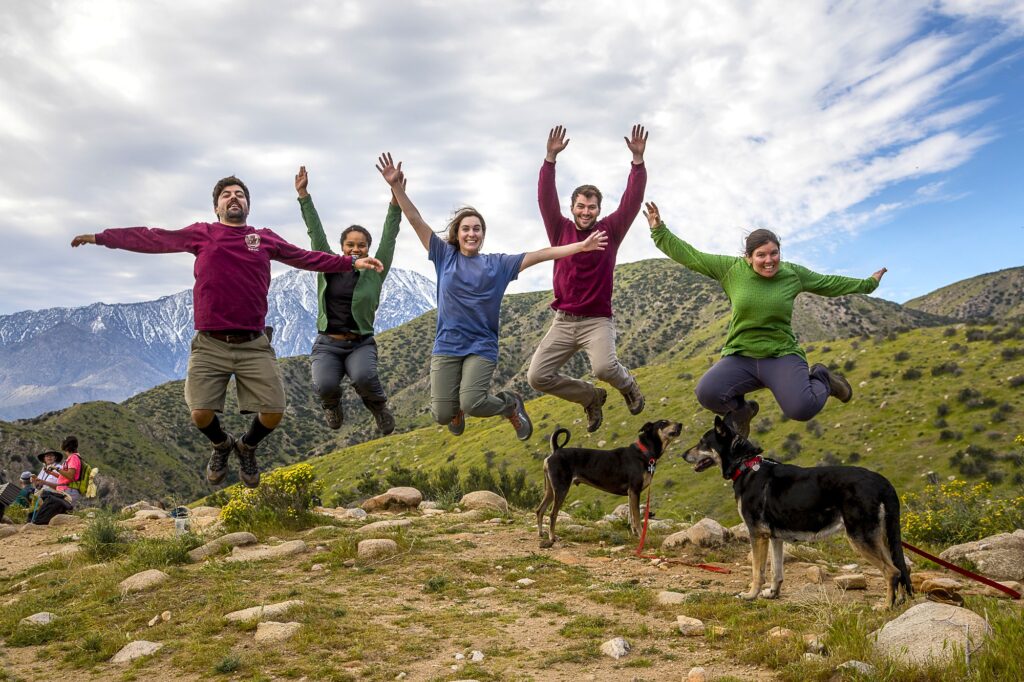
Achieving 30×30 requires broad collaboration. California works closely with local governments, Indigenous peoples and local communities, universities, NGOs, private landowners, and community groups to identify priority areas and implement protection measures.
Indigenous leadership is central to California’s conservation efforts, playing a key role in guiding the designation of the Chuckwalla National Monument and Sáttítla Highlands National Monument, which helped protect hundreds of thousands of acres of ancestral lands and ecologically significant landscapes. Recent agreements between California Native American tribes and California State Parks now support collaborative stewardship across nearly 900,000 acres of parklands, integrating ecological protection with cultural heritage preservation.
Monitoring progress with data and mapping
Tracking 30×30 progress relies on CA Nature, an interactive mapping and visualization system that compiled statewide biodiversity, access, climate and conservation information to advance 30×30. The platform allows decision-makers, scientists, and the public to visualize conservation areas, identify priority sites, and assess gaps. Updated annually, this toll supports evidence-based planning and public transparency.
In addition, the Protected Areas 30×30 Toolkit enable partners to contribute data and improve mapping of protected and conserved areas. These tools strengthen the state’s ability to measure outcomes and adapt conservation strategies over time.
Results on land and in the ocean
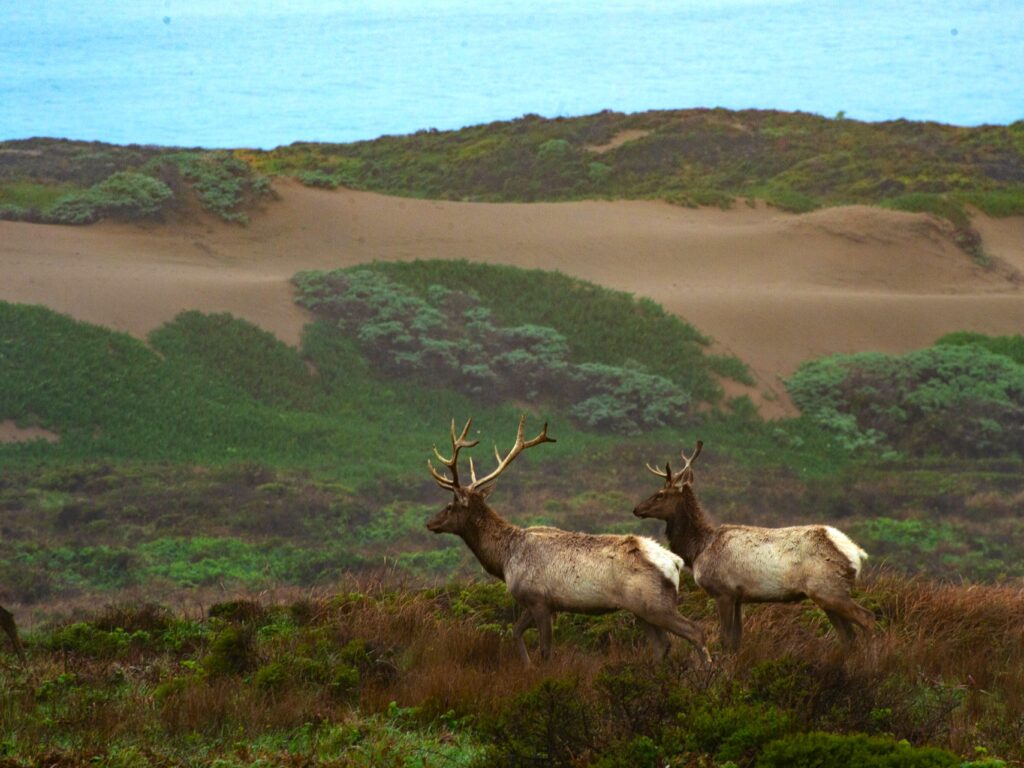
California’s 30×30 initiative has already produced tangible results. As of June 2025, 26.1% of land and 21.9% of coastal waters are under long-term conservation. Since 2022, more than 2.5 million acres of 30×30 Conservation Areas have been added, including 2,345,000 acres of land and 737,600 acres of coastal waters.
Key milestones include:
• Klamath River restoration, reconnecting nearly 400 miles of habitat to support fish populations and tribal communities following the removal of four defunct dams.
• Designation of Chuckwalla and Sáttítla Highlands National Monuments, safeguarding culturally and ecologically significant areas.
• Designation of the Chumash Heritage National Marine Sanctuary, covering 4,543 square miles, the first marine sanctuary in California nominated and co-stewarded by tribes.
• Recognition of California’s Marine Protected Area Network on the IUCN Green List, the first nature network worldwide to achieve this standard.
These achievements highlight that strategic land and ocean protection can advance biodiversity, cultural heritage, and community well-being simultaneously.
Investing in nature and climate resilience
The state has committed significant resources to achieve 30×30. Between 2022 and 2025, approximately $1.3 billion was invested in projects contributing to conservation goals. Further funding comes from Proposition 4, a $10 billion climate bond passed in 2024, which allocates billions to biodiversity protection, parks, public access, restoration, and ocean-climate action.
These investments ensure that conservation efforts are durable, coordinated, and resilient to climate challenges such as sea-level rise, wildfire, and ecosystem degradation.
Lessons learned
California’s experience provides key lessons for subnational biodiversity leadership:
- Engage communities broadly, including tribes and historically excluded groups.
- Foster shared responsibility with local governments, private landowners, and municipalities.
- Integrate ecological and cultural values, linking land and water protection.
- Create connected conservation networks, maintaining ecological corridors.
- Plan for climate resilience, ensuring protected areas remain effective under changing conditions.
These lessons show that ambitious conservation goals require partnership, data, adaptive management, and long-term investment.
Why this matters for COP17
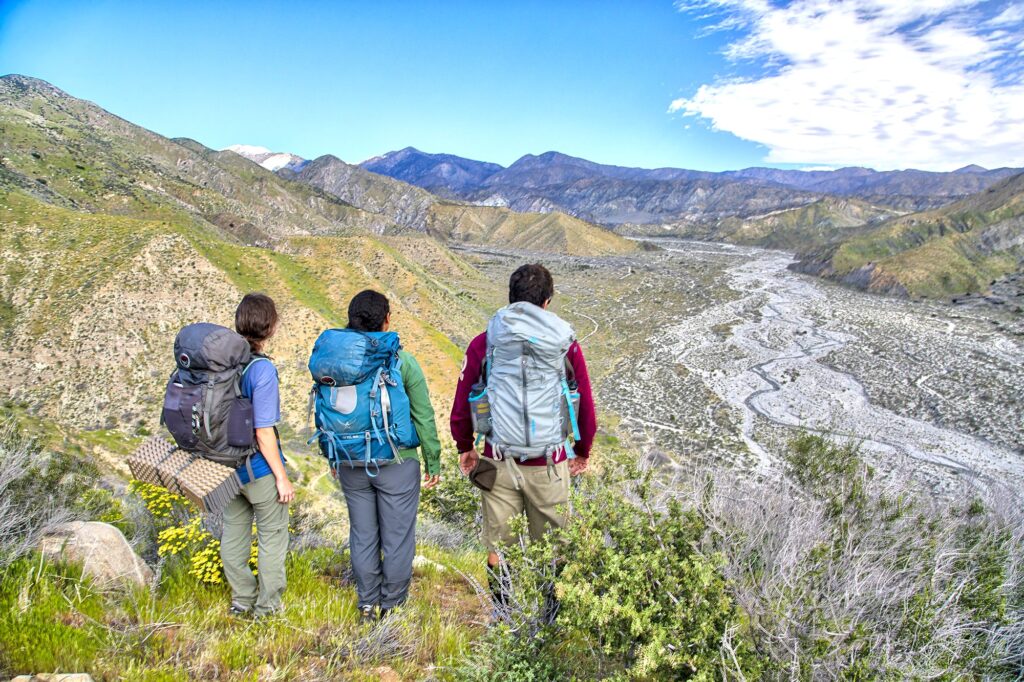
California demonstrates that subnational governments can lead global biodiversity efforts even where national policies may lag. By setting ambitious conservation targets, collaborating with diverse stakeholders, including local communities in the project creation processes, and investing in durable protection, the state is translating its 30×30 objectives into measurable action on the ground.
As the world prepares for COP17, California’s approach highlights that achieving global biodiversity targets will rely not only on national commitments but also on regional leadership, inclusive governance, and sustained funding. Its example shows how conservation, climate resilience, and equitable access to nature can be achieved together, providing a model for other regions worldwide.
Kunming-Montreal Global Biodiversity Framework targets addressed: 3
Focus areas: Area-based conservation; 30×30; Landscape and marine protection; Indigenous stewardship; Climate resilience.
Read more:
- Pathways to 30×30: Accelerating Conservation of California’s Nature
- Pathways to 30×30 2025 Annual Progress Report
#RegionsVoice brings the voice of regional governments to major events and negotiation processes on sustainable development within the UN. The campaign brings visibility and wider recognition of the role of regional governments in sustainable development, by elevating both individual and collective messages and engaging with a wider audience during the UN Decade of Action.
More actions in this region