Forests of Tomorrow: Restoring the Atlantic Forest in Rio de Janeiro
Rio de Janeiro, BrazilDelivering 30×30: Regions turning global biodiversity commitments into coordinated territorial action
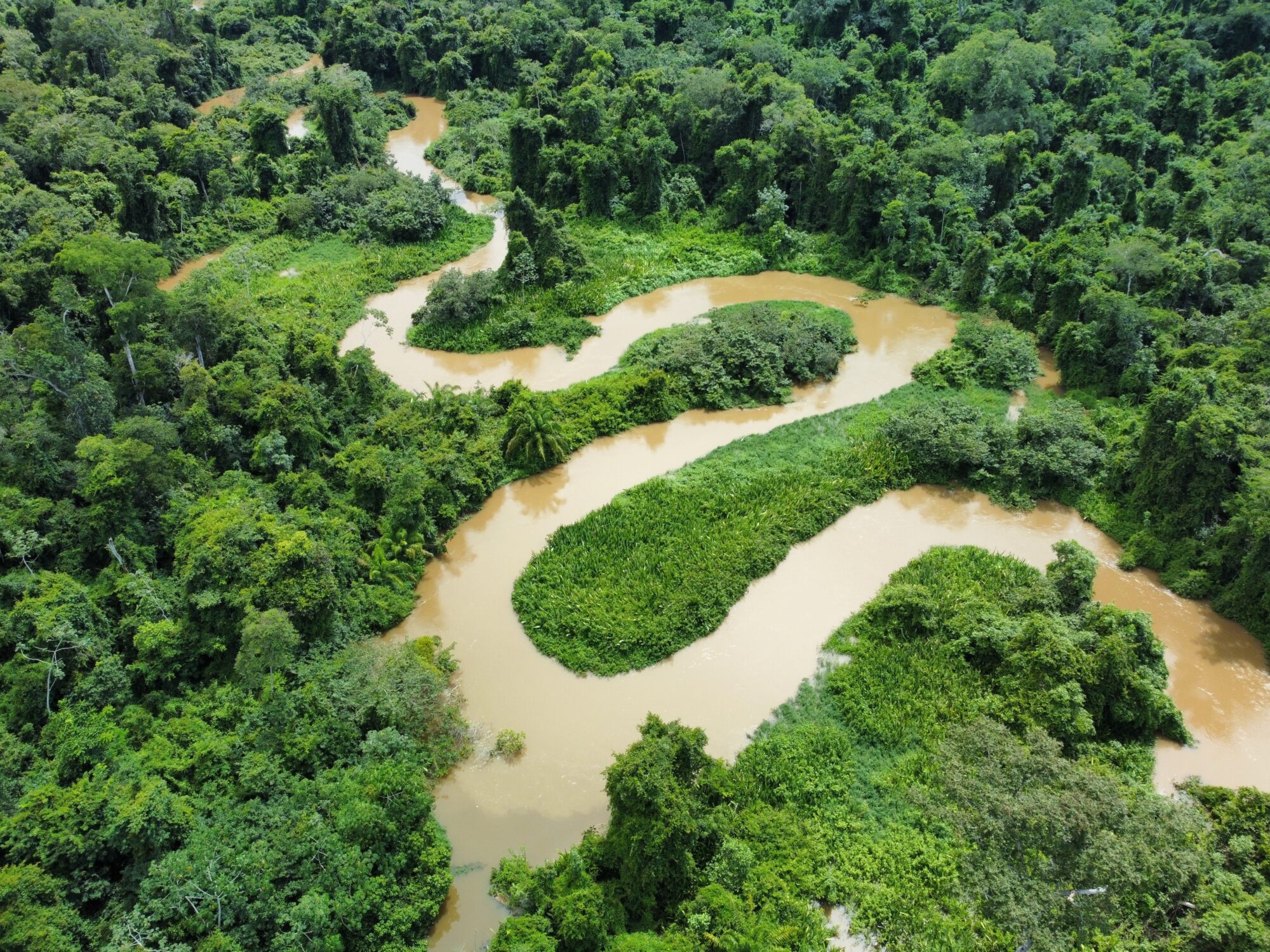
Restoring ecosystems is essential to reversing biodiversity loss and strengthening climate resilience. Through the ‘Forests of Tomorrow Program’, the State of Rio de Janeiro is advancing large-scale restoration of the Atlantic Forest across priority hydrographic regions. By combining state-level planning, municipal engagement, and innovative financing mechanisms, the program shows how ecosystem restoration can generate biodiversity gains, climate benefits, and social impact simultaneously.
A territorial approach to restoration
Launched in 2021 and grounded in the State Policy for Ecological Restoration, the ‘Forests of Tomorrow’ initiative aligns with the Kunming-Montreal Global Biodiversity Framework (GBF), Brazil’s National Biodiversity Strategy, and the UN Decade on Ecosystem Restoration. It also contributes to the state’s COP26 commitment to reach 40% forest cover by 2050.
The Program aims to operate in 92 cities and is currently present in 14 municipalities distributed in six hydrographic regions, prioritizing degraded areas of high ecological relevance. By focusing on watershed integrity, protected areas, rural properties, and water-catchment zones, the program strengthens ecological connectivity and landscape functionality. Restoration efforts contribute to the formation of ecological corridors, protection of fauna and flora, and the recovery of ecosystem services essential to communities, including water regulation, soil fertility, carbon sequestration, and climate adaptation.
This territorial planning approach ensures that restoration is not isolated but embedded within broader environmental and development strategies.
From policy to implementation
The initiative is guided by the State Forest Restoration Plan and supported through coordinated action between the State Secretariat for the Environment and Sustainability (SEAS), the State Environmental Institute (INEA), municipalities, and financial partners.
Implementation is structured in phases:
- Phase 1 (2021): 204 hectares contracted for restoration across 11 protected areas in Hydrographic Region from the Guanabara Bay, with an investment of R$10,8 million.
- Phase 2 (2023): 200 additional hectares under restoration in 18 rural properties through two agreements totaling R$13.7 million.
- Phase 3 (ongoing): 410 hectares across three hydrographic regions, supported by an estimated R$39,5 million investment.
- Phase 4 (planned): More than 1,000 hectares are expected to be restored with an investment of R$60 million.
Altogether, the program is scaling up restoration efforts to strengthen the long-term integrity of Atlantic Forest ecosystems and associated habitats across the state.
Financing restoration at scale
The ‘Forests of Tomorrow Program’ mobilizes resources through ‘Forest Restoration Commitment Agreements’ under the state’s environmental compensation framework.
Additional support is provided through the “Floresta Viva” initiative, a blended financing mechanism combining public resources from the National Bank for Economic and Social Development (BNDES) with contributions from other partner institutions.
By aligning environmental compensation, public investment, and cooperative partnerships, Rio de Janeiro is building a sustainable financial model for ecosystem restoration, demonstrating how biodiversity goals can be integrated into broader economic and climate agendas.
Monitoring progress and ensuring impact
Restoration outcomes are monitored through the State System for Monitoring and Evaluation of Restoration (SEMAR), which tracks ecological indicators and assesses reforestation performance across intervention areas.
The objective is to ensure that restored ecosystems reach stabilization and natural succession processes, allowing them to maintain biodiversity and ecosystem services over time.
This evidence-based monitoring framework strengthens transparency, accountability, and adaptive management. The Program has developed new protocols for socioeconomic monitoring of restoration actions.
Benefits for biodiversity and communities
The Forests of Tomorrow Program delivers multiple co-benefits.
Ecologically, it restores native vegetation, including atlantic forests and mangroves, capable of storing significant amounts of carbon while enhancing habitat connectivity and species protection.
Socially, the program generates employment, strengthens local workforce training, promotes environmental compliance in rural properties, and fosters community engagement in restoration processes.
By restoring degraded ecosystems in priority watersheds and protected areas, the initiative enhances water security, reduces vulnerability to climate impacts, and reinforces nature’s contributions to people.
Why this matters for COP17
Meeting global biodiversity targets requires restoration at landscape scale and coordination across governance levels.
The ‘Forests of Tomorrow Program’ illustrates how a state government can translate global ambition into measurable results by aligning territorial planning, municipal participation, environmental compensation mechanisms, and blended finance.
By advancing ecosystem restoration across hydrographic regions, Rio de Janeiro contributes directly to concrete GBF Targets, helping reduce biodiversity loss while strengthening climate resilience and sustainable development pathways.
As the global community prepares for COP17,Rio de Janeiro initiative highlights the importance of integrating restoration, climate action, and multilevel cooperation to accelerate implementation of the Global Biodiversity Framework.
Kunming-Montreal Global Biodiversity Framework targets addressed: 1, 2, 8, 11
Focus areas: Ecosystem restoration; Nature-based solutions; Blended finance; Multilevel implementation
#RegionsVoice brings the voice of regional governments to major events and negotiation processes on sustainable development within the UN. The campaign brings visibility and wider recognition of the role of regional governments in sustainable development, by elevating both individual and collective messages and engaging with a wider audience during the UN Decade of Action.
More actions in this region

‘Olho no Verde’: Protecting the Atlantic Forest with satellite technology
Rio de Janeiro, Brazil Through the Québec Ecological Corridors Initiative Québec province is using nature-based- Increasing sanitation from 45% to 90%

Blue Metropolis Vision: Navigating Water Challenges for a Resilient and Sustainable Future in Rio de Janeiro
Rio de Janeiro, Brazil In the next decade, Rio de Janeiro is embarking on a
Collaborating Across Municipalities to Preserve Rio de Janeiro’s Biodiversity and Protected Areas
Rio de Janeiro, Brazil As biodiversity loss accelerates and urban pressures expand, strengthening conservation efforts
Conexão Mata Atlântica in Rio de Janeiro: conservation and restoration aligned with sustainable production
Rio de Janeiro, Brazil Rio de Janeiro, Brazil The Conexão Mata Atlântica project is an
Forests of Tomorrow: Restoring the Atlantic Forest in Rio de Janeiro
Rio de Janeiro, Brazil Delivering 30×30: Regions turning global biodiversity commitments into coordinated territorial action
Multilevel climate leadership: How Rio de Janeiro Advances Brazil’s Climate Federalism
Rio de Janeiro, Brazil In November 2024, Brazil submitted its enhanced Nationally Determined Contribution (NDC)
Regions4 General Assembly 2024
Raising the bar for climate resilience through regional action.- Partnerships for a Sustainable Future

Rio de Janeiro and UN-Habitat Join Forces
Rio de Janeiro, Brazil Partnerships for a Sustainable Future: The Government of Rio de Janeiro
Rio de Janeiro’s water security strategies for climate action
Rio de Janeiro, Brazil Recognizing the water vulnerability and the importance of treating water security