Regions4 launches Arboris at COP17 to connect regions and scale proven biodiversity and climate solutions
Yereven, Armenia — 24th of October 2026.
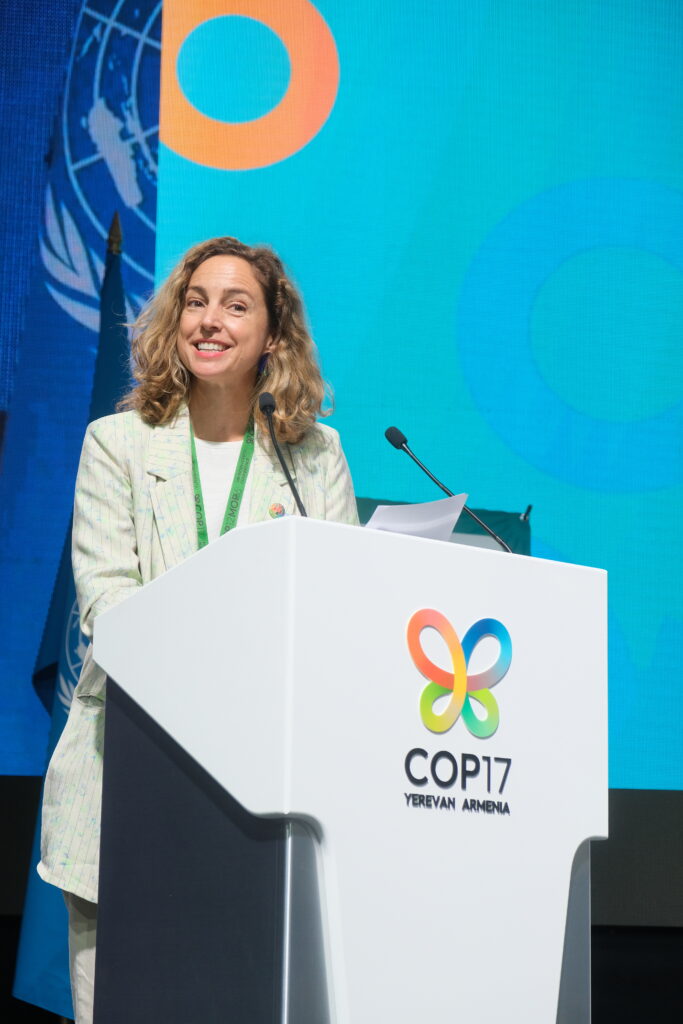
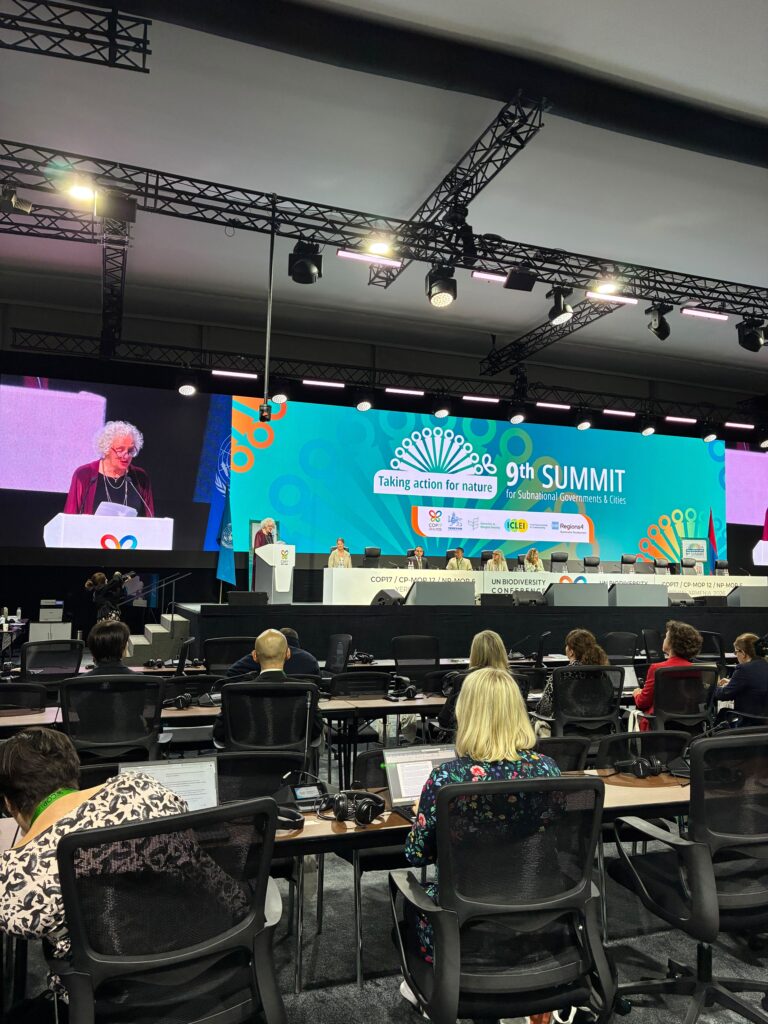
Regions4 has officially launched Arboris, its new ecosystem for regional solutions on climate and biodiversity. The launch took place at the 9th Summit for Subnational Governments and Cities, held during CBD COP17 in Yerevan, Armenia. The Summit is co-organised by Regions4, ICLEI, the CBD Secretariat and the City of Yerevan.
From a database to an ecosystem
Arboris builds on the Regions4 Case Study Database, launched at CBD COP15 in partnership with RegionsWithNature. Over four years, the database has published more than 30 regional case studies in English, Spanish and French, with nearly 50,000 downloads. Its cases have been featured CBD and UNFCCC COPs, in ECLAC’s Toolkit for Integrating Biodiversity into Development Planning, the UNFCCC Yearbook 2023, Adaptation Futures, the Bern Conference and the Network Nature Annual Conference, and in the Granary of Solutions presented by the COP30 Presidency.
From documentation to replication
The name Arboris, from the Latin arbor (tree), reflects the idea that every case study is rooted in a specific territory, shaped by local conditions, and part of a wider, living ecosystem of replicable solutions, captured in its new slogan, “Replicable solutions for climate and biodiversity.”
The initiative is built around four branches: Case Studies, continuing the identification and publication of good practices with a focus on initiatives that integrate Regions4’s three agendas (biodiversity, climate and the SDGs); Knowledge to Action, a structured pathway that matches documented solutions with interested regions, aiming to support peer exchange and technical visits, and connecting to project financing through JRAP; Learning & Analysis, consolidating cross-case knowledge through sessions with R4BLP, Regions4SDGs and RegionsAdapt, along with policy briefs and guidance materials; and Global Influence, positioning subnational solutions within the international events and processes that shape biodiversity, climate and SDG policy.
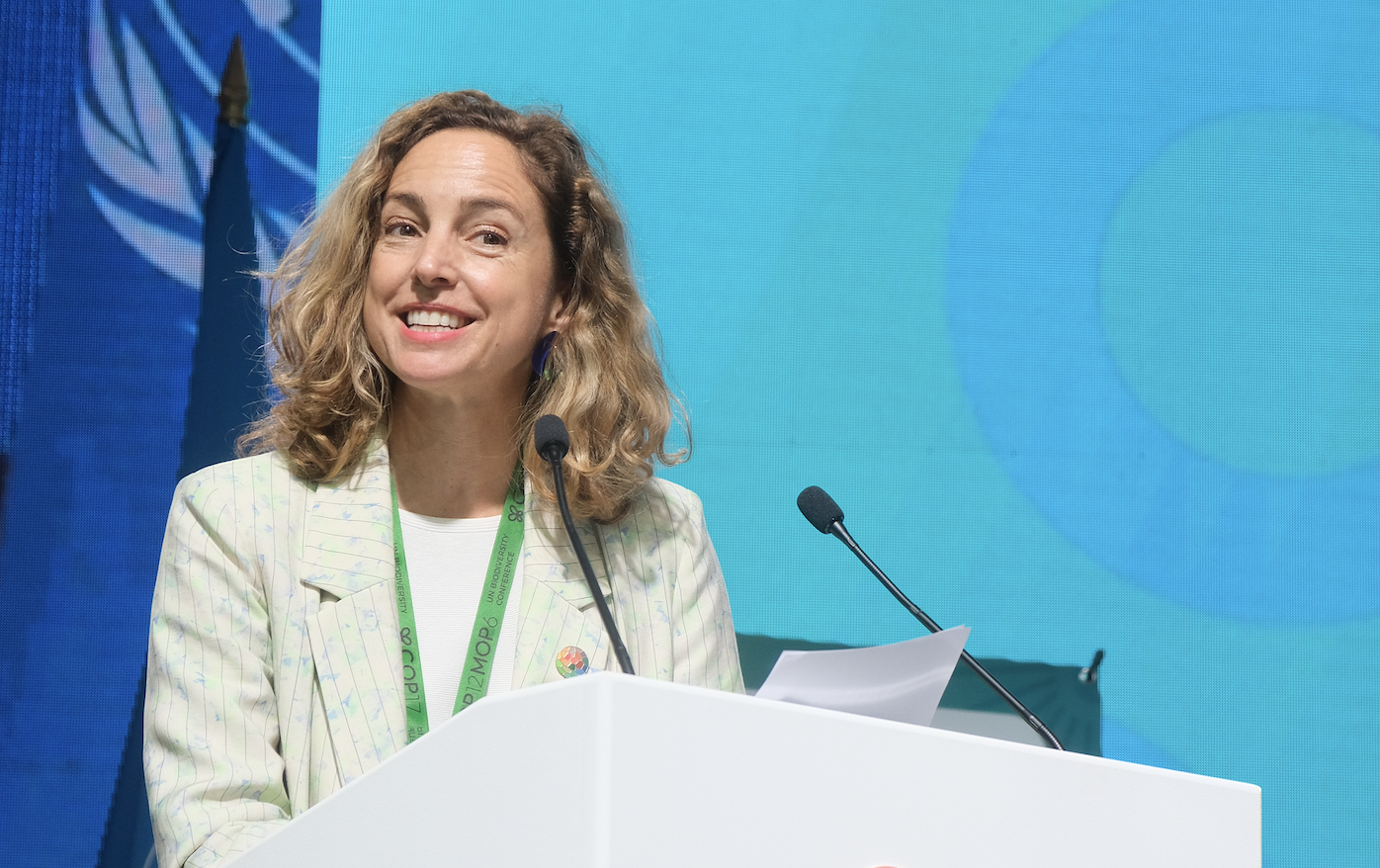
“Arboris reflects Regions4’s vision for the future of knowledge sharing,” said Natalia Uribe, Secretary General of Regions4. “It moves us beyond documenting solutions to creating the conditions for regions to genuinely learn from one another and adapt those ideas to their own realities. This is the next step in how Regions4 supports subnational action for biodiversity, climate and the SDGs.”
Arboris works hand in hand with Regions4’s Just Resilience Action Platform (JRAP). While Arboris helps regions find what works and learn how to do it, JRAP helps them turn that knowledge into concrete, investment-ready projects and connects them with financing partners. Together, they offer one pathway: from a case study, to a peer exchange, to a funded project on the ground.
Two new case studies mark the launch
To mark the launch, Regions4 is publishing the first two case studies under the new Arboris format:
30×30 Initiative: California’s subnational model for biodiversity action. In 2020, an Executive Order committed California to conserving 30% of its land and coastal waters by 2030, in line with Target 3 of the Kunming-Montreal Global Biodiversity Framework. The state built its Pathways to 30×30 strategy through a broad participatory process. It held nine regional workshops and more than 70 tribal consultations and listening sessions, and synthesised over 1,000 public comments, reaching more than 4,000 people. Progress is tracked publicly through a suite of open online tools. As of 2025, California has conserved 26.1% of its land and 21.9% of its coastal waters.
BioClima: Mobilising private investment for biodiversity in Lombardy, Italy. Through the Call for BioClima, Lombardy Region designed a blended finance model to close the biodiversity funding gap. The Region covered up to 70% of project costs, and the rest came from co-financing, with at least 10% from private companies. With €3.5 million in regional funding and more than US$2.3 million in private co-financing, 12 projects worked across 20 Natura 2000 sites. They certified over 3,000 hectares for responsible forest management, planted more than 66,000 trees, and benefited 50 species. The initiative won the Sustainable Development Award at the Ecomondo Fair in 2025.
About Regions4
Regions4 is the only global network of subnational governments dedicated to advancing biodiversity, climate action and the Sustainable Development Goals.