Financing Climate Adaptation: From Urgency to Action – Insights from the Pathways2Resilience Workshop in Normandie, France
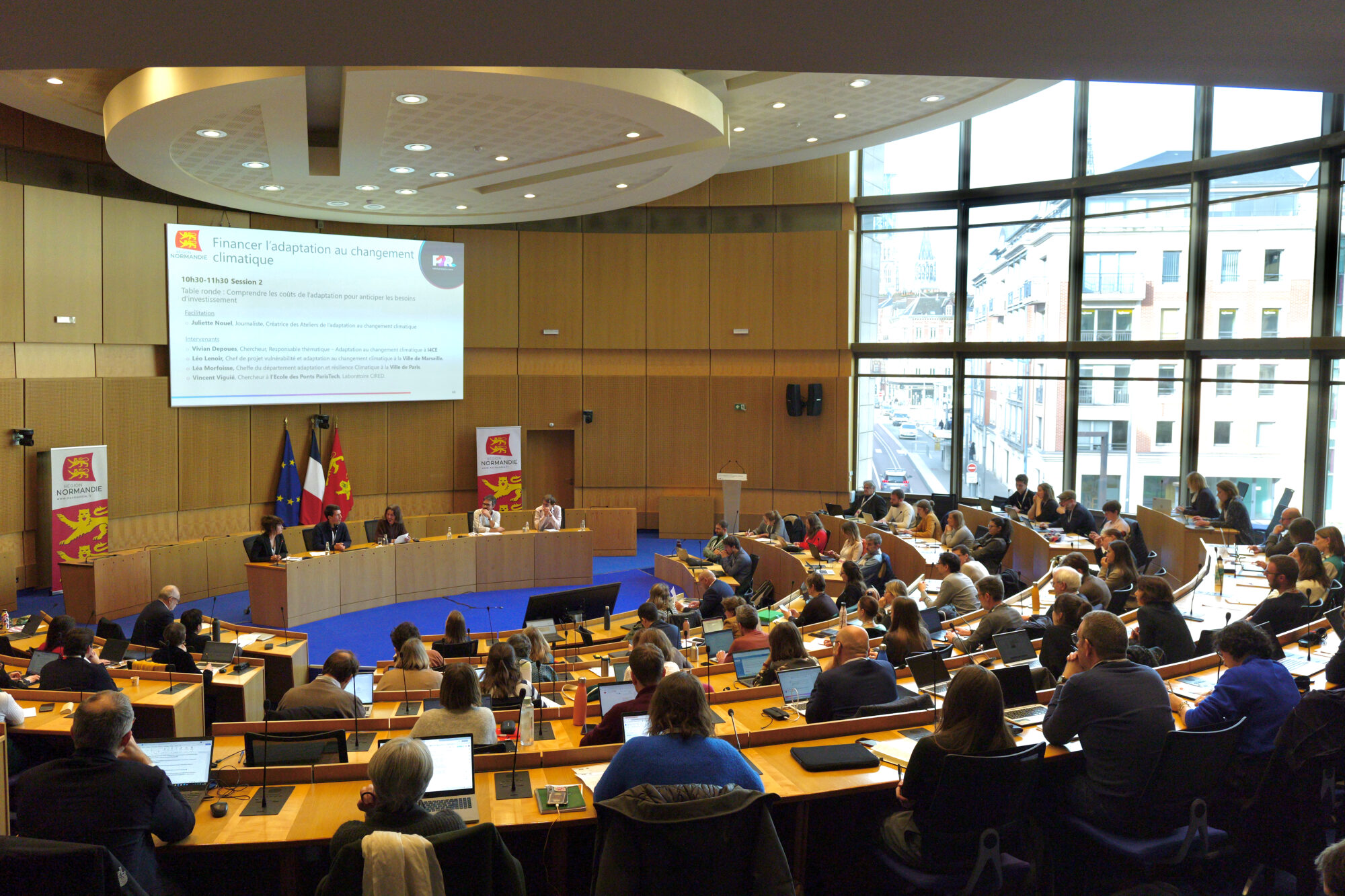
On 28 January 2026, the Pathways2Resilience (P2R) EU project, together with the Normandy Region – and with the active involvement of Regions4 as a consortium partner – brought together key actors in Rouen to tackle one of the most critical challenges facing regions today: how to unlock and scale financing for climate adaptation.
Participation was strongly anchored at the territorial level, with a significant representation of local and regional authorities (particularly from Normandy), including regional administrations, metropolitan authorities, municipalities, inter-municipal structures and departmental actors. This territorial core was complemented by participants from other French regions (Île-de-France, Nouvelle-Aquitaine, Hauts-de-France, Auvergne-Rhône-Alpes, Provence-Alpes-Côte d’Azur, Grand Est and overseas territories), ensuring broader geographical diversity. Beyond exchanging experiences, it created a shared space to confront a common reality: adaptation is no longer optional – it is an immediate investment priority.
Reframing Adaptation: From Cost to Strategic Investment
A strong and consistent message emerged: adaptation must be reframed as a strategic investment, not a financial burden.
Across Europe, the cost of climate inaction is already materialising – through rising damages from extreme events, pressure on public health systems, loss of biodiversity, and declining territorial resilience. These costs are expected to increase significantly in the coming decades.
By contrast, adaptation investments generate substantial co-benefits. They protect communities, strengthen ecosystems, improve quality of life, and enhance regional attractiveness. Making these benefits visible – especially in the short term – is essential to mobilise political will, public support, and financial resources.
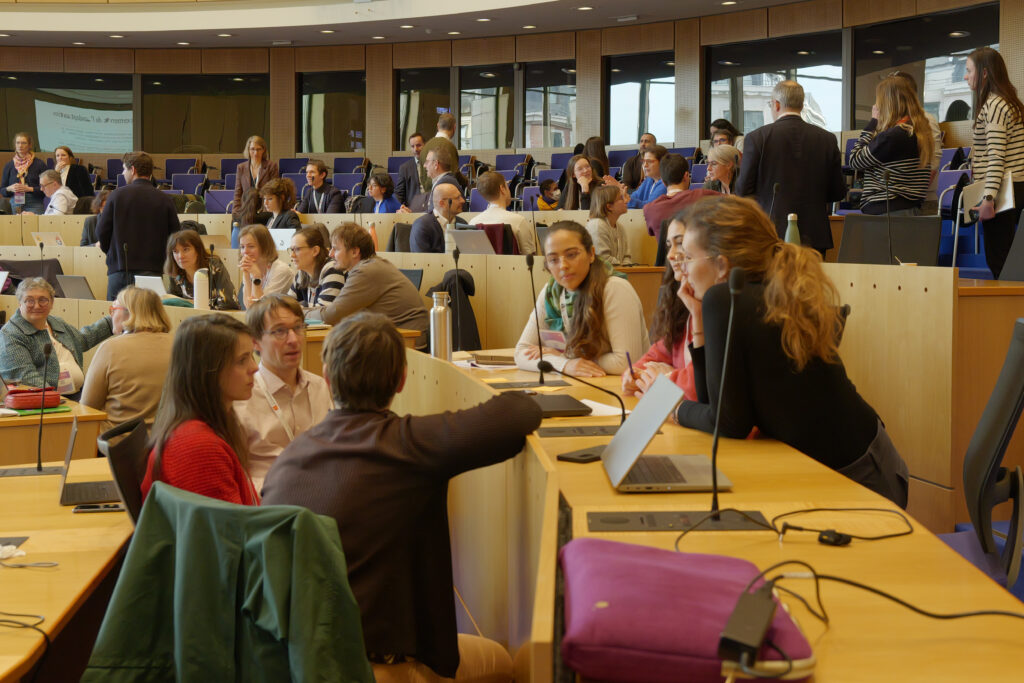
Embedding Adaptation Across All Policies
The discussions clearly highlighted that adaptation cannot remain siloed.
To be effective, it must be systematically integrated into:
- urban and spatial planning
- infrastructure and public services
- health and social systems
- economic development strategies
This shift, from standalone adaptation plans to whole-of-government approaches, is critical to ensure coherence, efficiency, and long-term impact.
However, participants also acknowledged persistent barriers: fragmented governance structures, competing policy priorities, and limited institutional coordination. Addressing these challenges requires strong leadership and deliberate efforts to break down silos.
Bridging the Gap Between Climate Strategies and Finance
One of the most pressing gaps identified is the disconnect between climate ambition and financial reality.
Too often, adaptation strategies are developed independently from budgetary processes. The workshop stressed that financing must be embedded from the very beginning, aligning climate priorities with:
- public budgets
- multi-year investment plans
- project pipelines
Strengthening technical and financial engineering capacity at the regional and local levels is equally crucial. Regions need the tools and expertise to design bankable adaptation projects that can attract diverse sources of funding.
In this context, initiatives such as the P2R project and its tools, and national adaptation hubs play a key role in supporting regions to move from strategy to implementation.
Governance as a Foundation for Long-Term Resilience
Adaptation is inherently a long-term challenge, often extending well beyond political cycles.
Participants emphasised the need for robust and durable governance frameworks that can ensure continuity, coordination, and collective ownership over time. This includes:
- cross-sector and cross-level collaboration
- partnerships between public authorities, financial actors, and civil society
- governance models that reflect functional territories rather than administrative boundaries
Crucially, adaptation also requires societal engagement. Building acceptance for transformative measures, such as land-use changes or infrastructure redesign, depends on trust, transparency, and inclusive decision-making.
Unlocking Finance: Diversification, Innovation, and Scale
Financing adaptation remains one of the greatest challenges for regions.
The workshop highlighted the need to move beyond fragmented approaches and towards integrated and diversified financing strategies, combining:
- public funding and development banks
- private sector investment
- innovative financial instruments
- hybrid and blended finance models
Particular attention was given to co-benefit-based mechanisms, such as carbon cooperatives and payments for ecosystem services. These instruments allow regions to capture the broader value of adaptation, linking climate resilience with biodiversity, agriculture, and local development.
At the same time, scaling up investment requires:
- stronger financial engineering
- aggregation of smaller projects
- clearer standards and frameworks for adaptation finance
Private sector engagement is essential, but it depends on reducing uncertainty, improving risk-sharing mechanisms, and creating enabling policy environments.
Data as a Driver of Better Decisions
A critical enabler identified throughout the workshop is robust, territorialised climate data.
High-resolution risk assessments strengthen the investment case, support prioritisation, and improve the credibility of adaptation projects. The use of standardised scenarios, such as France’s +4°C trajectory, helps ensure consistency and long-term alignment.
Yet, challenges remain in translating complex climate data into actionable insights. Improving accessibility, usability, and communication of data is key to empowering decision-makers at all levels.
A Collective Call to Action
The workshop in Rouen sent a clear message to the regional communities and partners: The time to move from planning to implementation is now.
Accelerating adaptation at scale will require:
- stronger alignment between policy, finance, and governance
- simplified and better-coordinated funding frameworks
- increased investment in local capacity and project development
- continuous knowledge sharing and peer learning across regions
As climate impacts intensify, regions stand at the forefront of the response. Their ability to act, supported by initiatives such as Pathways2Resilience, will be decisive in shaping resilient, sustainable, and prosperous territories.
The discussions in France demonstrated that while the challenges are complex, the solutions are within reach if we act collectively, strategically, and without delay.
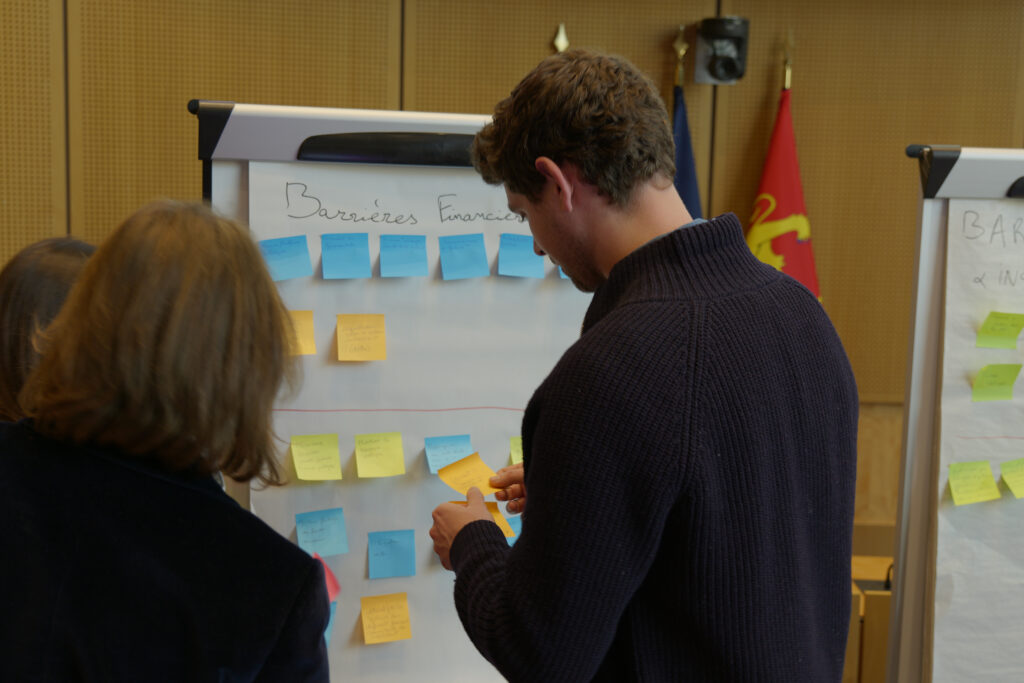
Looking Ahead
The workshop reinforced that scaling adaptation finance is not only a technical challenge, but also a governance and coordination issue. Strengthening collaboration, improving access to finance, and building strong project pipelines will be essential to move from plans to implementation.
Pathways2Resilience will continue to support regions on this journey by providing tools, knowledge, and a platform for exchange.
Key Takeaways
- See adaptation as an investment, not a cost:
- Framing adaptation in terms of avoided losses, public health, biodiversity, and territorial appeal makes financing more compelling.
- Emphasise immediate societal benefits to engage citizens and decision-makers.
- Recognise that the cost of inaction is already high and rising.
- Integrate adaptation across all public policies
- Adaptation should not be siloed; it must be embedded in urban planning, infrastructure, health, and other policy areas.
2. Align climate planning with finance:
- Integrate climate strategies into budgets and investment plans.
- Strengthen local technical and project design capacity to create bankable adaptation projects.
- Use available toolboxes and national support hubs to access expertise and instruments.
- Financial mechanisms remain fragmented; coordination between the EU, national, and regional levels is essential.
3. Ensure governance and cross-sector collaboration support long-term continuity:
- Design structures that endure beyond electoral cycles (e.g., cross-boundary agreements, project partnerships).
- Foster collaboration across sectors and institutions to ensure coherent action.
- Plan at the appropriate spatial scale to match climate hazards.
4. Diversify and aggregate funding sources:
- Leverage specialised public funds and development banks.
- accelerate financial engineering, adapted products, project aggregation and better integration in standards.
- Favour co-benefit-based instruments (carbon cooperatives, PES) and enable hybrid financing. Local carbon cooperatives, supported by the Low Carbon Label, structure links between funders and project developers, and local authorities can act as trusted intermediaries.
- Private sector engagement is critical, but requires clear frameworks and incentives.
5. Use robust local data to guide decisions:
- High-resolution, territorialised climate data strengthens investment cases.
- Apply standardised scenarios, such as TRACC (+4°C in France), to ensure consistency and future-proofing.
Workshop resources
To learn more about the workshop discussions, find the key messages, full report and presentation on the P2R dedicated website: Pathways2Resilience Workshop in France: Financing Climate Change Adaptation.
Videos (available in French) here.
To learn more about the Pathways2Resilience Project, visit https://www.pathways2resilience.eu/