Goiás’s Zero Dumpsite Journey: From Open Dumps to a Pioneering Regional Waste Model
Goiás, BrazilGoiás is consolidating a historic transformation in municipal solid waste management. In just four years, its Lixão Zero (Zero Dumpsite) Program has taken the share of municipalities with adequate final disposal from 17% to 58% — and the state is now preparing to go further, moving toward a regionalised concession model that eradicates dumpsites for good while formalising waste pickers and strengthening the circular economy.
A Two-Phase Strategy, Anchored in Law
In Brazil, the National Basic Sanitation Policy delegates the responsibility for providing public municipal solid waste (MSW) management services to municipalities. However, progress over the years has been slow, and results have not been uneven. To give planning a firmer footing, with clear short-, medium- and long-term actions built into public policy, the State of Goiás established the Lixão Zero (Zero Dumpsite) Program through State Decree No. 10,367/2023.
The program is structured in two phases: a transition phase and a definitive phase. In the transition phase, municipalities must close their dumpsites, adopt environmentally adequate ways of disposing of waste, and structure selective collection programs with progressive goals for recyclable materials recovery and the inclusion of waste pickers.
In the definitive phase, the State and the municipalities will share responsibility for waste management through regionalisation, creating the necessary conditions for building more efficient and effective solutions for the sector.
Four Years of Progress, Despite Infrastructure & Capacity Challenges
The transition phase is still underway. Today, 53% of the municipalities have joined the program, and 16% are in the process of joining. In just four years, the share of municipalities disposing of their waste in an environmentally sound way has risen from 17% to 58% (Figure 1). As a result, the amount of properly disposed waste has grown from 2,800 to 4,200 tonnes per day, reaching the milestone of 78% of all municipal waste generated in the state.
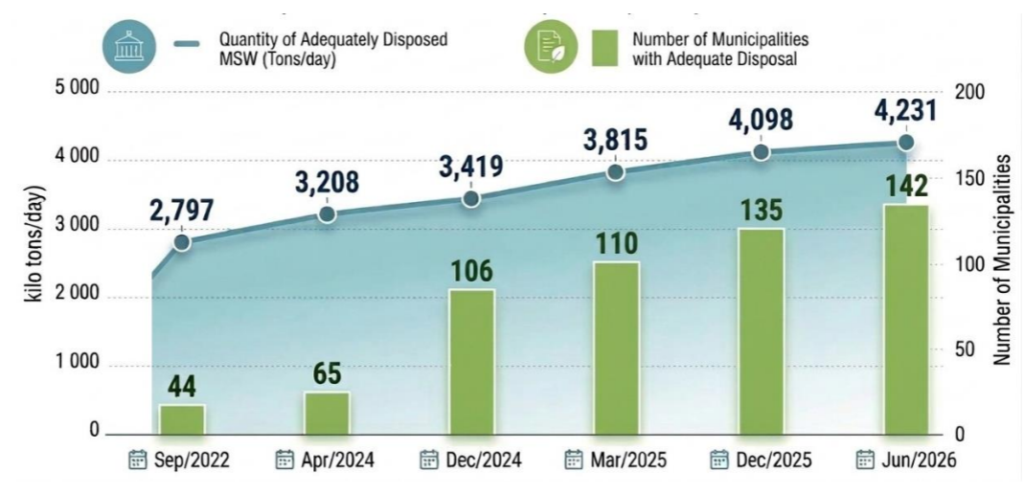
Figure 1 – Progress of Lixão Zero Zero Dumpsite) Program
The transition has not been without its challenges. One of the biggest is the lack of infrastructure for proper waste disposal. Most existing landfills are located in the central region of the state. This means longer transport distances, higher logistics costs, and more obstacles for municipalities trying to adopt solutions. On top of this, some municipalities still have limited technical capacity, particularly when it comes to preparing the studies and projects needed to put solutions in place.
State Support: Training, Funding and Infrastructure
To help municipalities move forward, the State Secretariat for Environment and Sustainable Development (SEMAD) has, over the years, conducted technical training sessions, published informational booklets on composting and the implementation of selective waste collection programs, and maintained open communication channels with municipalities, both online and in person. In addition, it has launched public calls for projects that turn revenue from environmental fines into municipal infrastructure, such as ecopontos (waste drop-off centres), volunteer drop-off points for recyclable waste, transfer stations, and small-scale landfills.
Toward Regionalisation: The Definitive Phase
At the same time, work is moving ahead to lay the groundwork for the definitive phase, with studies underway for a concession project for municipal solid waste management. Undercomplementary Law No. 182/2023, the state’s 246 municipalities into 3 basic sanitation micro-regions* (Figure 2).
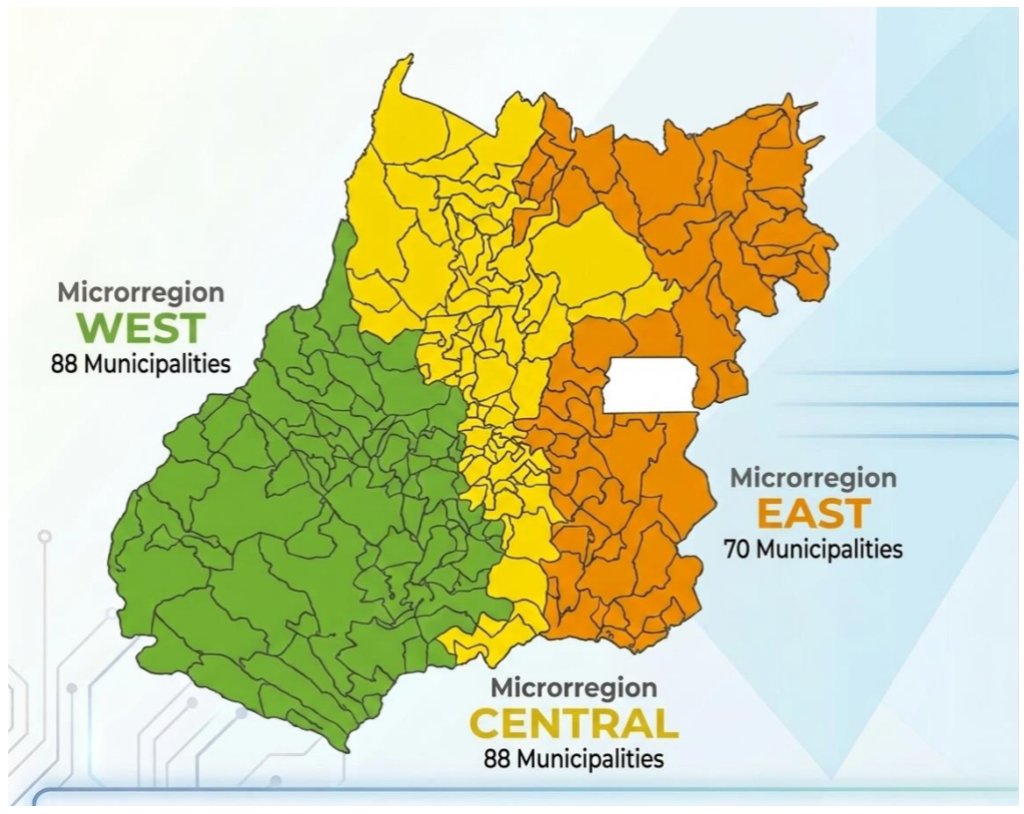
Figure 2 – State of Goiás Basic Sanitation Micro-regions
* Brazilian law defines basic sanitation as the services and infrastructure related to: drinking water supply; sanitary sewage; urban cleaning and municipal solid waste management; and drainage and rainwater management.
Organising services at a regional level brings economies of scale and allows costs to be shared across municipalities through cross-subsidies. Furthermore, it unlocks investments, increases efficiency, improves access to the best waste technologies, and strengthens the social aspect of waste management by empowering cooperatives of recyclable material pickers.
The concession auction is expected to take place in 2027. From then on, Goiás will put in place a pioneering model for municipal solid waste management. Step by step, and in a coordinated way, the Lixão Zero Program is driving this transformation toward a more efficient and sustainable future.
Read more
- https://goias.gov.br/meioambiente/regionalizacao-de-residuos-solidos/
- https://goias.gov.br/meioambiente/lixao-zero
More actions in this region