
The Well-being of Future Generations Act: Wales’ Legislative Framework for Sustainable Development
Wales, United KingdomThe Well-being of Future Generations (Wales) Act (2015) is a landmark law that aims to improve the social, economic, environmental, and cultural well-being of Wales. It requires 48 public bodies—including the Welsh Government, local authorities, and national health boards, to make sustainable development a central part of how they carry out their work.
The Act defines sustainable development as taking action to meet the needs of the present without compromising the ability of future generations to meet their own needs, placing long-term thinking at the heart of public decision-making.
Seven National Well-being Goals
The Act identifies seven national well-being goals that translate the Sustainable Development Goals (SDGs) into local priorities.
To fulfill their legal duty, public bodies must apply the sustainable development principle through five mandatory ways of working:
- Long-term thinking
- Prevention
- Integration
- Collaboration
- Involvement
These principles require organizations to balance short-term needs with long-term safeguards, act to prevent problems from occurring or worsening, and involve diverse groups of people in decision-making.
Setting and Delivering Well-being Objectives
Under the Act, each public body is required to set and publish well-being objectives that maximize its contribution to the seven national goals. Organizations must explain why each objective has been chosen and how the five ways of working have been applied.
Public bodies are then required to take all reasonable steps to achieve these objectives and publish annual reports that track progress.
At the local level, the Act establishes Public Services Boards (PSBs) for each local authority area. These boards assess the state of well-being within their area and develop a five-year Local Well-being Plan.
Governance and Oversight
The governance model established by the Act includes oversight from two institutions.
The Future Generations Commissioner for Wales acts as a guardian for the interests of future generations by providing advice to public bodies, reviewing how they account for long-term impacts, and publishing a comprehensive Future Generations Report every five years.
Public bodies are legally required to publish a response to any recommendations made by the Commissioner.
The Auditor General for Wales complements this role by examining public bodies to assess the extent to which they have acted in accordance with the sustainable development principle when setting and meeting their well-being objectives.
Monitoring Progress
Progress under the Act is monitored through 46 indicators and milestones established by the Welsh Ministers and aligned with the SDGs.
Following each election, the Welsh Ministers are required to publish a Future Trends Report, which uses analytical data to predict likely future trends in economic, social, environmental, and cultural well-being.
Implementation in Practice
The implementation of the Act has led to changes across several policy areas.
Examples include the redevelopment of the national school curriculum to prioritize ethically informed citizenship and eco-literacy, the review of an impactful infrastructure project in favor of active travel and public transport, and the development of a 10-year health strategy focused on prevention and long-term well-being rather than treatment alone.
Ongoing Challenges
The implementation of the Act continues to face several challenges. A complex landscape of partnership bodies and bureaucratic reporting, together with short-term budgeting cycles for some public authorities, remains an obstacle to long-term planning.
Current efforts to strengthen the framework include calls for a post-legislative review of the Act to enhance its impact ahead of the 2030 global targets, as well as the potential introduction of a Culture Bill to make cultural well-being a statutory requirement.
The Well-being of Future Generations
More actions in this region
- Reduce emissions by 3% each year until 2020

Climate Change Strategy for Wales
Wales, United Kingdom A coordinated approach to tackling climate mitigation and adaptation Wales is- 300 community flood plans
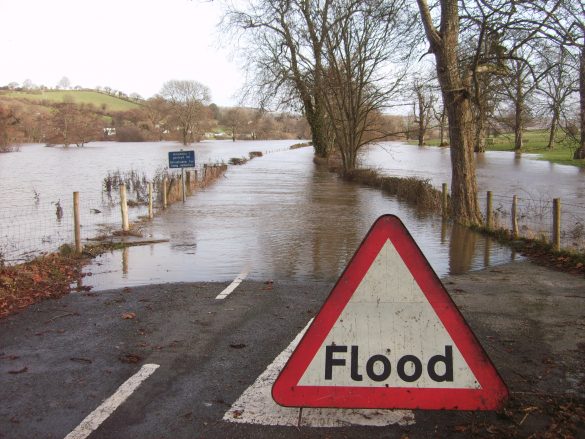
Flood Awareness Wales
Wales, United Kingdom Working with at-risk communities across Wales to raise awareness of flooding
From Policy to Practice: Wales’s Integrated Approach to Climate Resilience
Wales, United Kingdom Guided by pioneering legislation and strong community participation, the Welsh Government- 50 million trees by 2030
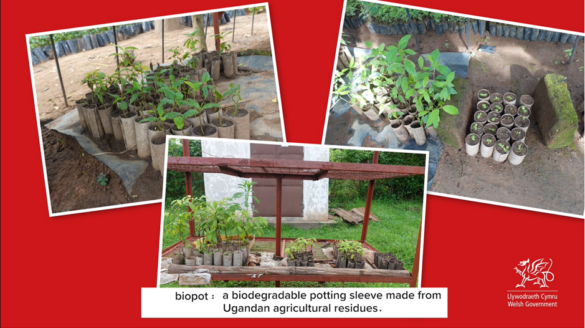
Green Innovation – Welsh Government and Ugandan Partners Pioneer Biodegradable Potting Sleeves
Wales, United Kingdom Transforming Tree Planting in Uganda and Tackling Plastic Waste Crisis The- 46 indicators reported in 2018

Legislating for Sustainable Development in Wales
Wales, United Kingdom The Wellbeing of Future Generations (Wales) Act 2015 Wales is a
The Well-being of Future Generations Act: Wales’ Legislative Framework for Sustainable Development
Wales, United Kingdom The Well-being of Future Generations (Wales) Act (2015) is a landmark
Wales National Peatland Action Programme
Wales, United Kingdom Worldwide, peatlands contain up to one-third of the world’s soil carbon,- Aiming to distrbute 25 million trees by 2025